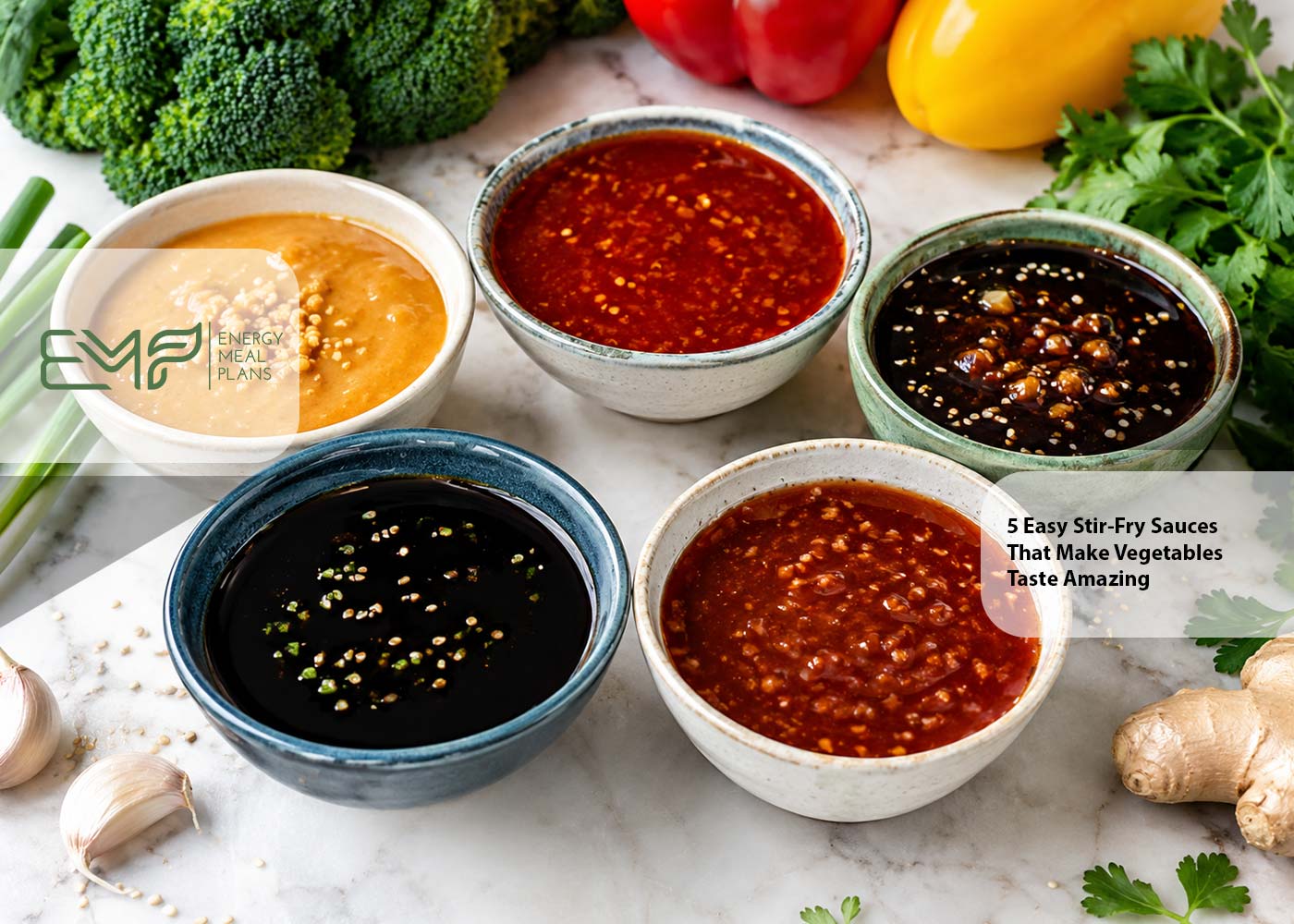
Vegetables do not have to be boring, especially when you
know how to give them the right combination of flavor. A hot skillet, a
colorful selection of fresh produce, and a well-balanced sauce can turn simple
vegetables into a satisfying meal in just minutes. Whether you are cooking
broccoli after work, trying to use up mushrooms in the refrigerator, or looking
for a better way to enjoy cabbage, homemade sauces can completely change the
experience.
The best part about stir-frying is its flexibility. You do not
need an exact list of vegetables to make a great meal. Broccoli, bell peppers,
mushrooms, snap peas, carrots, cabbage, and mixed vegetables can all work
beautifully together. The key is matching them with a sauce that complements
their natural flavors rather than covering them up completely.
A good sauce also makes it easier to eat more vegetables
without feeling like you are forcing yourself to eat another plain side dish.
Instead of steamed broccoli or sautéed carrots served on their own, you can
turn them into the centerpiece of a quick lunch or dinner. A homemade stir fry sauce can bring
together savory, sweet, tangy, spicy, and aromatic flavors while helping
ordinary produce taste much more exciting.
Below are five easy sauces that can be prepared with
everyday ingredients. Each one has a slightly different flavor profile, so you
can choose based on the vegetables you have available and the type of meal you
are craving.
1. Garlic Soy Sauce for Broccoli and Mixed Vegetables
If you want a simple sauce that works with almost anything,
start with a garlic and soy combination. It is savory, aromatic, and
particularly good with vegetables that develop a little caramelization when
cooked over high heat.
Ingredients
- 3 tablespoons low-sodium soy sauce
- 1 tablespoon rice vinegar
- 1 teaspoon honey or maple syrup
- 1 teaspoon sesame oil
- 1 small garlic clove, finely minced
- 1 teaspoon grated fresh ginger
- 2 tablespoons water
- 1 teaspoon cornstarch
How to Make It
Whisk all the ingredients together in a small bowl until the
cornstarch is fully incorporated. Cook your broccoli first, giving the florets
enough time to develop browned edges. Add bell peppers, carrots, snap peas, or
other vegetables and continue cooking until they are crisp-tender.
Lower the heat slightly and pour in the sauce. Toss
everything for one to two minutes until the sauce thickens and coats the
vegetables.
This sauce is especially good with broccoli because the slightly
bitter flavor of the vegetable contrasts nicely with the savory and lightly
sweet sauce. Serve it over brown rice, quinoa, or noodles for a complete meal.
2. Ginger Sesame Sauce for Mushrooms and Snap Peas
Mushrooms have a naturally rich, savory flavor, making them
an excellent match for a sauce with plenty of ginger and sesame. Snap peas add
freshness and crunch, creating a combination with contrasting textures.
Ingredients
- 2 tablespoons low-sodium soy sauce
- 1 tablespoon rice vinegar
- 1 teaspoon sesame oil
- 1 teaspoon grated ginger
- 1 small garlic clove, minced
- 1 teaspoon honey
- 1 tablespoon water
- 1 teaspoon toasted sesame seeds
How to Make It
Mix the soy sauce, rice vinegar, sesame oil, ginger, garlic,
honey, and water. Set the mixture aside while you prepare the vegetables.
Start by cooking sliced mushrooms in a hot skillet. Avoid
overcrowding the pan because mushrooms release moisture as they cook. Once they
begin to brown, add snap peas and cook for another two to three minutes.
Pour the sauce over the vegetables and toss until everything
is evenly coated. Finish with sesame seeds just before serving.
This sauce also works well with shredded cabbage or thinly
sliced carrots. For extra protein, add tofu, chicken, shrimp, or edamame.
3. Light Citrus Sauce for Bell Peppers and Carrots
For people who prefer a brighter flavor, a citrus-based
sauce can make sweet vegetables taste even fresher. Bell peppers and carrots
naturally have a mild sweetness, so they pair particularly well with orange or
lime juice.
Ingredients
- 2 tablespoons fresh orange juice
- 1 tablespoon low-sodium soy sauce
- 1 tablespoon lime juice
- 1 teaspoon honey or maple syrup
- 1 teaspoon grated ginger
- 1 small garlic clove, minced
- 1 teaspoon cornstarch
- 2 tablespoons water
How to Make It
Whisk everything together before cooking. Slice the carrots
fairly thin so they cook at roughly the same rate as the peppers.
Heat a small amount of oil in a skillet or wok. Add the
carrots first and cook for a few minutes before adding sliced bell peppers.
This allows the harder vegetables to soften without overcooking the peppers.
Add the citrus sauce toward the end of cooking. Toss
continuously as the sauce thickens. The result should be glossy vegetables with
a balance of sweet, tangy, and savory flavors.
This is also a useful option for lighter meals because you
can control the amount of sweetener. If your carrots and peppers are naturally
sweet, you may not need much added sweetness at all.
4. Spicy Peanut Sauce for Cabbage and Mixed Vegetables
Peanut sauce can turn a basic vegetable stir-fry into
something that feels much more substantial. Its creamy texture works especially
well with crunchy cabbage, carrots, bell peppers, and broccoli.
Ingredients
- 2 tablespoons natural peanut butter
- 1 tablespoon low-sodium soy sauce
- 1 tablespoon lime juice
- 1 teaspoon rice vinegar
- 1 teaspoon honey
- 1/2 teaspoon chili flakes or chili paste
- 2 to 3 tablespoons warm water
- 1 small garlic clove, minced
How to Make It
Place the peanut butter in a bowl and add the soy sauce,
lime juice, rice vinegar, honey, chili, and garlic. Gradually whisk in warm
water until the mixture becomes smooth and pourable.
Stir-fry shredded cabbage first because it needs a little
more time to soften. Add carrots, broccoli, bell peppers, or snap peas and
continue cooking until the vegetables are tender but still have some bite.
Pour the peanut sauce over the cooked vegetables and toss
thoroughly. If the sauce becomes too thick, add another splash of warm water.
For a more filling meal, serve this combination with brown
rice or whole-grain noodles. You can also add tofu or another lean protein.
5. Low-Sugar Herb and Lime Sauce for Diet-Friendly Meals
When you are trying to eat lighter, sauces can sometimes
become an overlooked source of added sugar, sodium, or excess calories. That
does not mean you need to eat plain vegetables. A simple lime and herb sauce
can provide plenty of flavor without relying heavily on sweeteners.
Ingredients
- 2 tablespoons low-sodium soy sauce or coconut aminos
- 1 tablespoon fresh lime juice
- 1 tablespoon water
- 1 teaspoon grated ginger
- 1 small garlic clove, minced
- 1/2 teaspoon sesame oil
- Fresh cilantro or green onions
- Optional chili flakes
How to Make It
Combine the ingredients in a bowl and taste before adding
the sauce to your vegetables. If you want more acidity, add a little extra lime
juice. For more heat, add chili flakes or a small amount of chili paste.
This sauce works particularly well with a large mixture of
vegetables. Try combining broccoli, mushrooms, snap peas, cabbage, and bell
peppers for a colorful skillet meal. Carrots can also add natural sweetness
without requiring much added sugar.
For a diet-friendly dinner, serve the vegetables with a lean
protein such as grilled chicken, shrimp, tofu, or fish. You can also keep the
meal lower in calories by using a modest amount of oil and skipping heavy
noodles. A small portion of brown rice or another whole grain can provide
additional carbohydrates if desired.
Tips for Better Vegetable Stir-Fries
The sauce is important, but how you cook the vegetables
matters just as much. One of the biggest mistakes is putting every vegetable
into the pan at the same time. Different vegetables require different cooking
times.
Start with firm vegetables such as carrots and broccoli. Add
medium-cooking vegetables like bell peppers and cabbage next. Mushrooms can be
cooked separately or added once the pan is hot enough to brown them properly.
Snap peas usually need only a short cooking time to retain their crunch.
Another useful tip is to avoid drowning the vegetables in
sauce. Start with a smaller amount and add more if necessary. Too much liquid
can cause the vegetables to steam rather than stir-fry, leaving them soft
instead of crisp.
High heat also helps create better texture. Make sure the
pan is hot before adding the vegetables, and give them enough space to make
contact with the cooking surface. If you are preparing a large batch, cooking
in two rounds may produce better results than overcrowding the pan.
How to Build a Complete Vegetable Stir-Fry
Once you have a sauce you enjoy, creating a full meal
becomes simple. Choose two or three vegetables, add a protein, select a
carbohydrate if you want one, and finish everything with your favorite sauce.
For example, broccoli, mushrooms, and snap peas pair well
with the ginger sesame sauce. Bell peppers and carrots are excellent with the
citrus sauce, while cabbage and mixed vegetables can handle the richer peanut
option.
You can also prepare a batch of sauce ahead of time and keep
it refrigerated in a sealed container. Having a homemade sauce ready makes it
easier to turn leftover vegetables into a quick lunch instead of letting them
sit unused in the refrigerator.
Final Thoughts
A good homemade sauce can completely change the way you
think about vegetables. Instead of treating broccoli, carrots, cabbage,
mushrooms, bell peppers, and snap peas as basic side dishes, you can use them
as the foundation for flavorful meals.
The five sauces above offer different ways to keep vegetable
dishes interesting, from savory garlic soy and ginger sesame to bright citrus,
creamy peanut, and a lighter low-sugar option. Once you understand how
different flavors work together, you can adjust the ingredients to suit your
preferences and create new combinations from whatever vegetables you already
have at home.
With a hot pan, a few simple ingredients, and a flavorful
sauce, healthy vegetable meals can be quick, satisfying, and anything but boring.