If you train hard and eat well, you have probably wondered
whether a supplement can truly move the needle.
MAX'S Protein is one of Australia's longest-standing sports nutrition
brands, and it comes up often in conversations about muscle gain and
post-workout nutrition. This article breaks down what the range actually does,
how it fits into a structured diet, and who benefits most. The goal here is
simple: give you clear, practical information so you can decide whether these
gym supplements suit your goals.
What Is MAX'S Protein and Where Does It Come From?
MAX'S is an Australian-made protein powder brand founded in
1989 by Keith Ellis, a bodybuilding champion, and Paul Kirkham, a nutritionist
and sports science expert.
That combination of competitive experience and formulation
knowledge shaped the brand from the start. The company develops, sources, and
manufactures its products in Australia, which gives it tight control over
quality and consistency.
Decades of continuous production have made it a recognized
name in the local fitness scene. For anyone researching credible options, that
track record matters.
The Types of Protein Powders MAX'S Offers
The range covers several protein types, each built for a
specific job. Understanding these differences helps you match a product to your
training goal.
- Whey protein: A fast-digesting protein ideal for
post-workout recovery. It delivers amino acids quickly when muscles need them
most.
- Whey protein isolate (WPI): A more refined form with
higher protein and lower carbs and fat. It suits lean muscle goals.
- Casein (Anabolic Night): A slow-release protein designed
for overnight recovery, feeding muscles while you sleep.
- Mass gainers: Higher-calorie blends for people struggling
to eat enough to grow.
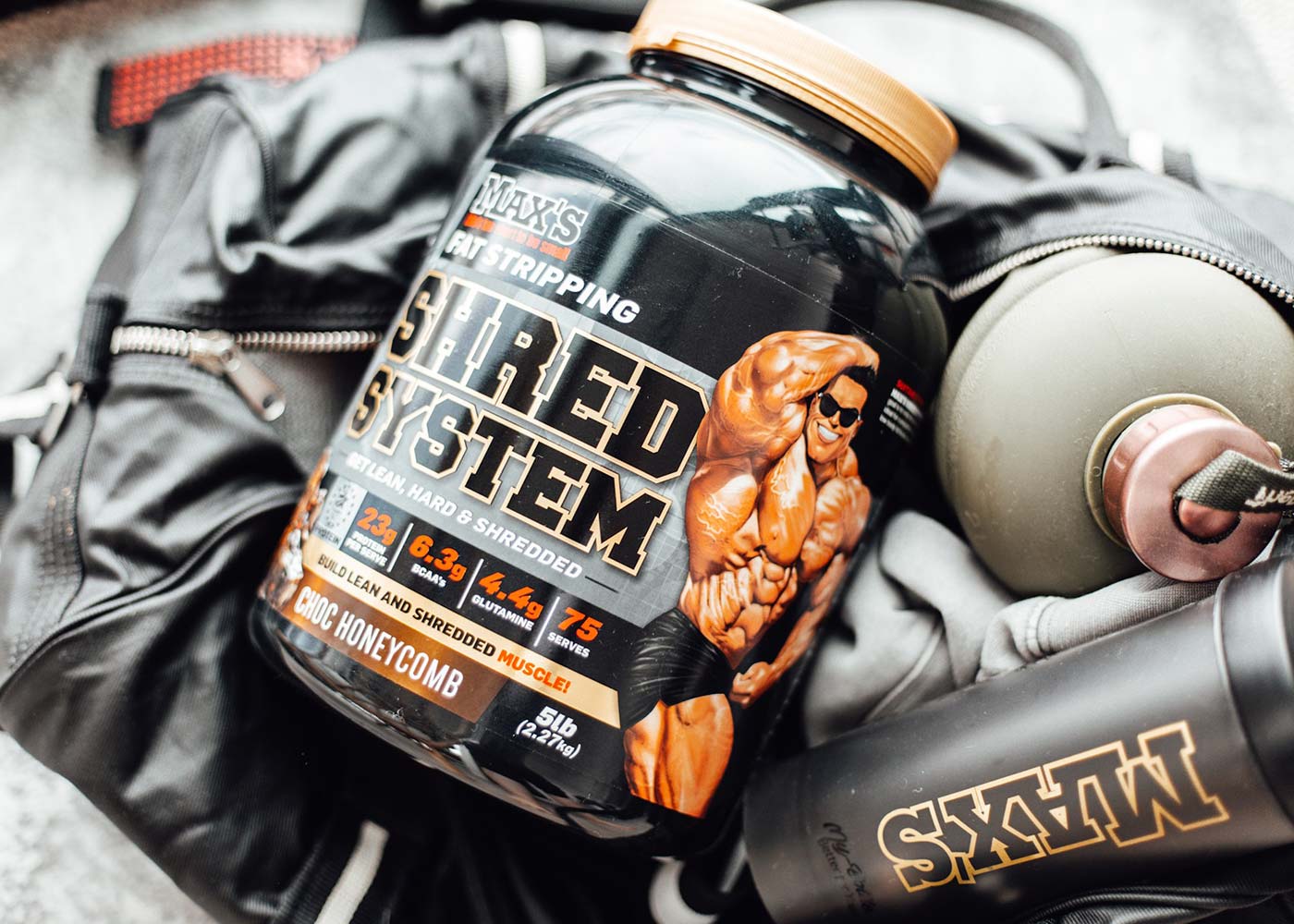
- Shred System: A protein blend paired with ingredients
aimed at supporting fat loss during a cut.
Many products also work alongside creatine monohydrate and
other supplements to round out a complete stack.
How Protein Supports Muscle Gain and Recovery
Muscle grows through a repair cycle. Training creates small
amounts of muscle damage, and protein provides the amino acids needed to
rebuild that tissue stronger.
Without enough protein, recovery slows and progress stalls.
This is the core reason protein sits at the center of sports nutrition.
A quality whey protein isolate delivers a strong dose of
amino acids in one serve. That makes hitting a daily protein target easier,
especially for busy people who cannot always prepare high-protein meals.
Consistent protein intake supports muscle recovery day after
day. Over weeks and months, that consistency is what drives real muscle gain.
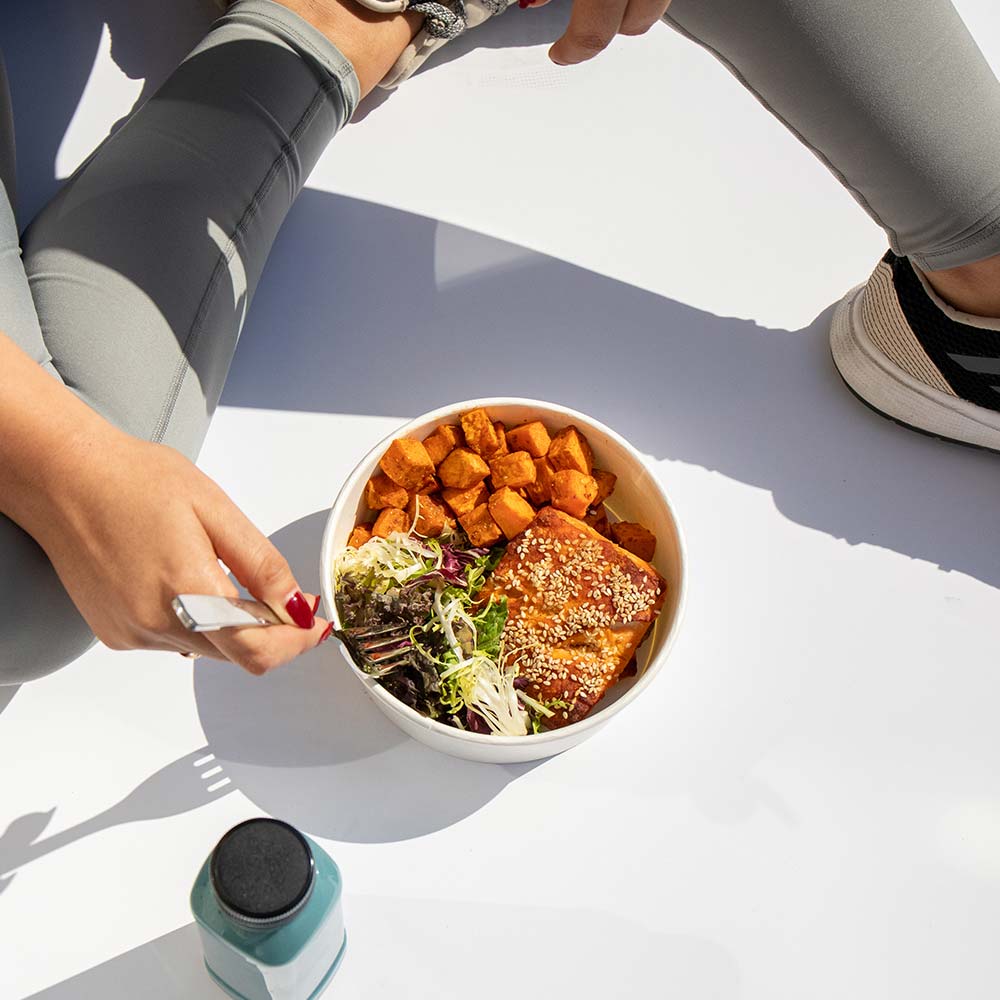
Pairing Protein Supplements With a Structured Meal Plan
Supplements work best when they support real food, not
replace it. A high protein meal plan should always form your foundation.
Whole foods provide fiber, micronutrients, and variety that
powders cannot match. Protein powder simply fills gaps when your schedule or
appetite makes eating enough difficult.
A practical approach looks like this:
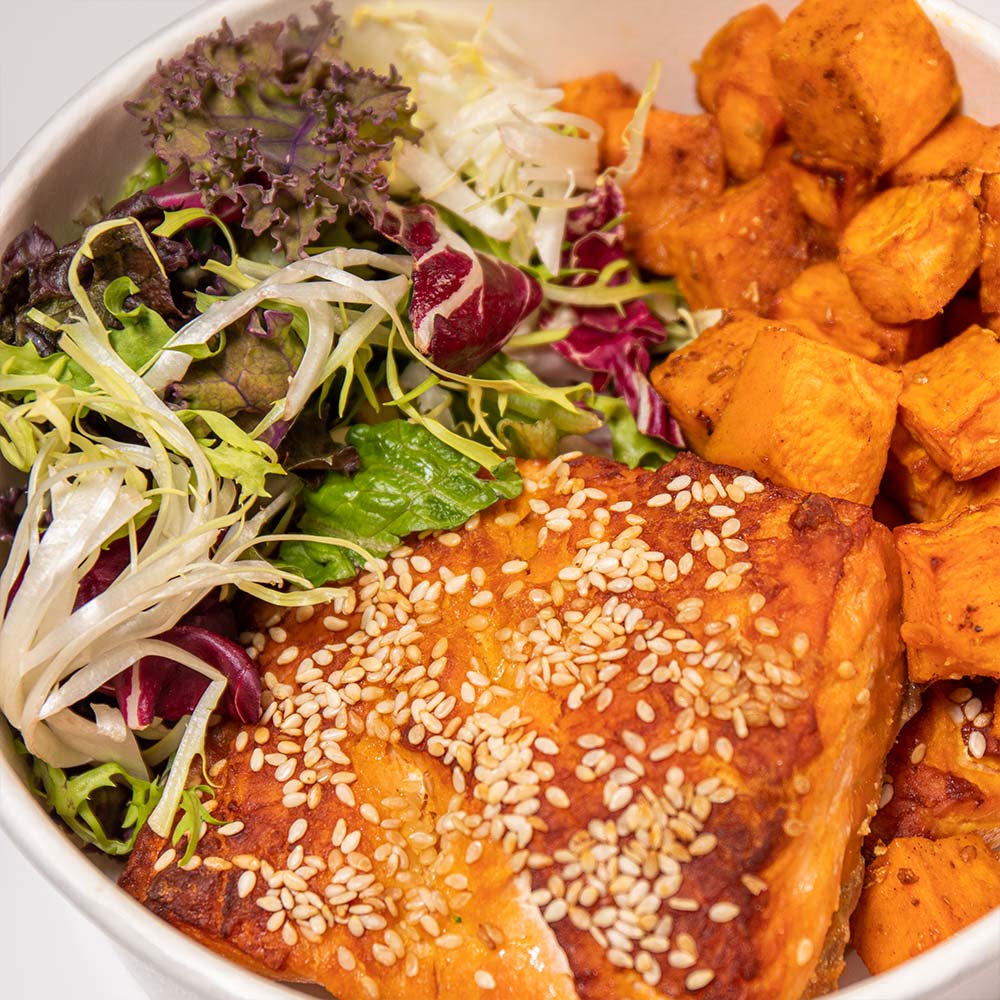
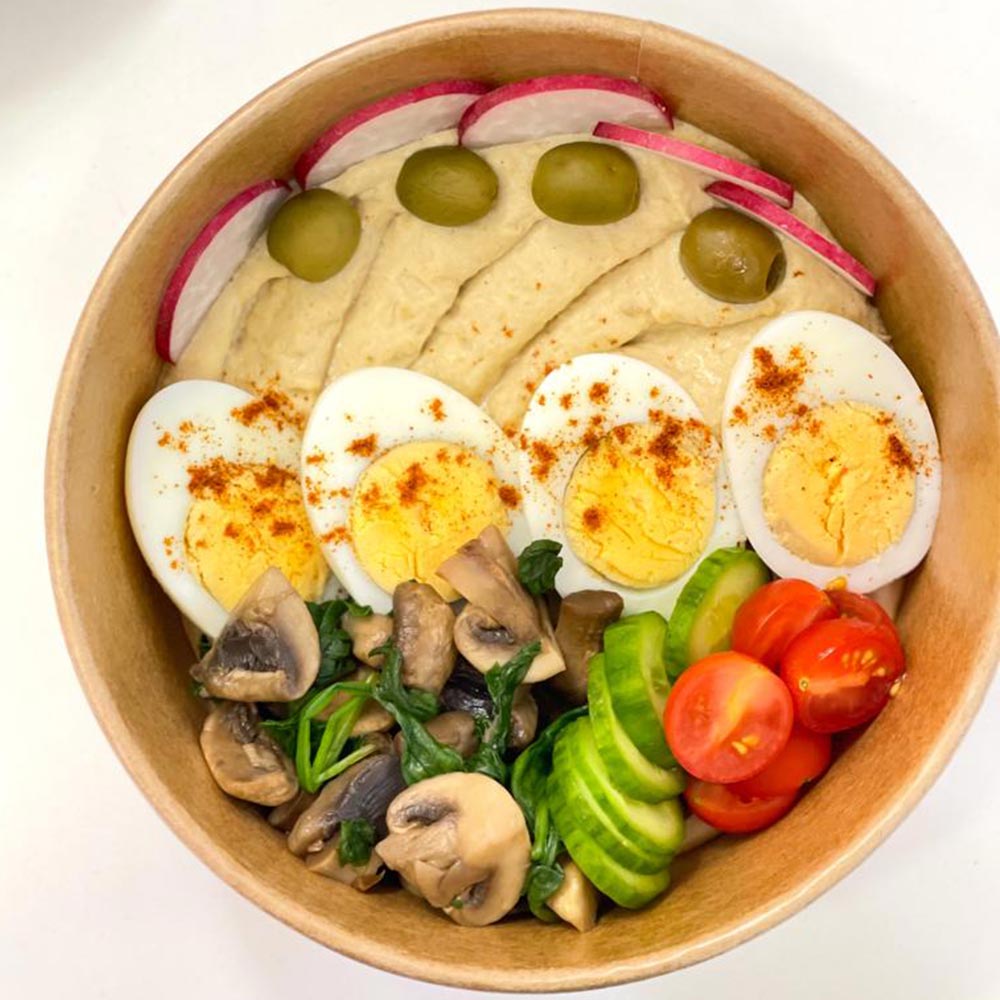
- Build most meals around whole-food protein sources such as
chicken, fish, eggs, or legumes.
- Use a shake to top up protein after training or between
meals.
- Match your total daily intake to your goal, whether that
is muscle gain, maintenance, or fat loss.
Structured meal delivery services make this easier by taking
the guesswork out of daily nutrition. When your meals are already balanced, a
supplement becomes a simple add-on rather than a crutch.
When Should You Take Protein for Best Results?
Timing matters less than total daily intake, but it can
still help. Spreading protein across the day keeps a steady supply of amino
acids available for repair.
A few timing principles are worth applying:
- Post-workout: A fast whey protein serve within an hour or
two of training supports recovery.
- Between meals: A shake helps you reach your target if
meals fall short.
- Before bed: A slow-digesting casein, such as Anabolic
Night, feeds muscles through the sleep window.
For most people, hitting a consistent daily protein goal
beats obsessing over exact timing. Use timing as a fine-tuning tool once the
basics are in place.
Safety, Quality, and Certifications
Quality control separates trustworthy brands from
questionable ones. This is where MAX'S Protein stands on solid ground.
The company operates under recognized Australian standards.
Its manufacturing holds HACCP certification, a food safety system used
worldwide to control production risks.
Key credentials include:
- HACCP certification for food safety management.
- Dairy Australia licensing for dairy-based products.
- Compliance with the Australian and New Zealand Food
Standards Code.
These certifications give buyers a clear reason to trust
what goes into each tub. For anyone cautious about supplement quality, that level
of oversight is reassuring.
Who Is MAX'S Protein Best Suited For?
No supplement suits everyone. The right fit depends on your
goals, training, and diet.
This range works well for:
- Gym-goers building muscle who need a reliable protein
source to hit daily targets.
- Athletes wanting products backed by decades of sports
nutrition experience.
- People with busy schedules who cannot always cook
high-protein meals.
- Anyone shredding who wants lean protein options like WPI
or the Shred System.
It is less essential for those who already eat plenty of
protein from whole foods and feel their recovery is on track. In that case, a
shake is a convenience rather than a necessity.
Whatever your goal, pair any supplement with balanced meals,
adequate sleep, and consistent training. Those fundamentals do the heavy
lifting.
Final Thoughts
MAX'S Protein offers a well-established range of
Australian-made gym supplements built around clear goals: muscle gain,
recovery, and lean progress. Its whey, whey protein isolate, casein, mass
gainers, and Shred System give you options for different training phases.
Backed by HACCP certification and Australian food standards, the range earns
trust on quality. Used alongside a high protein meal plan and smart
post-workout nutrition, protein powder becomes a practical tool rather than a
shortcut. Focus on your whole-food diet first, then use supplements to fill the
gaps. That balanced approach delivers the most reliable long-term results.