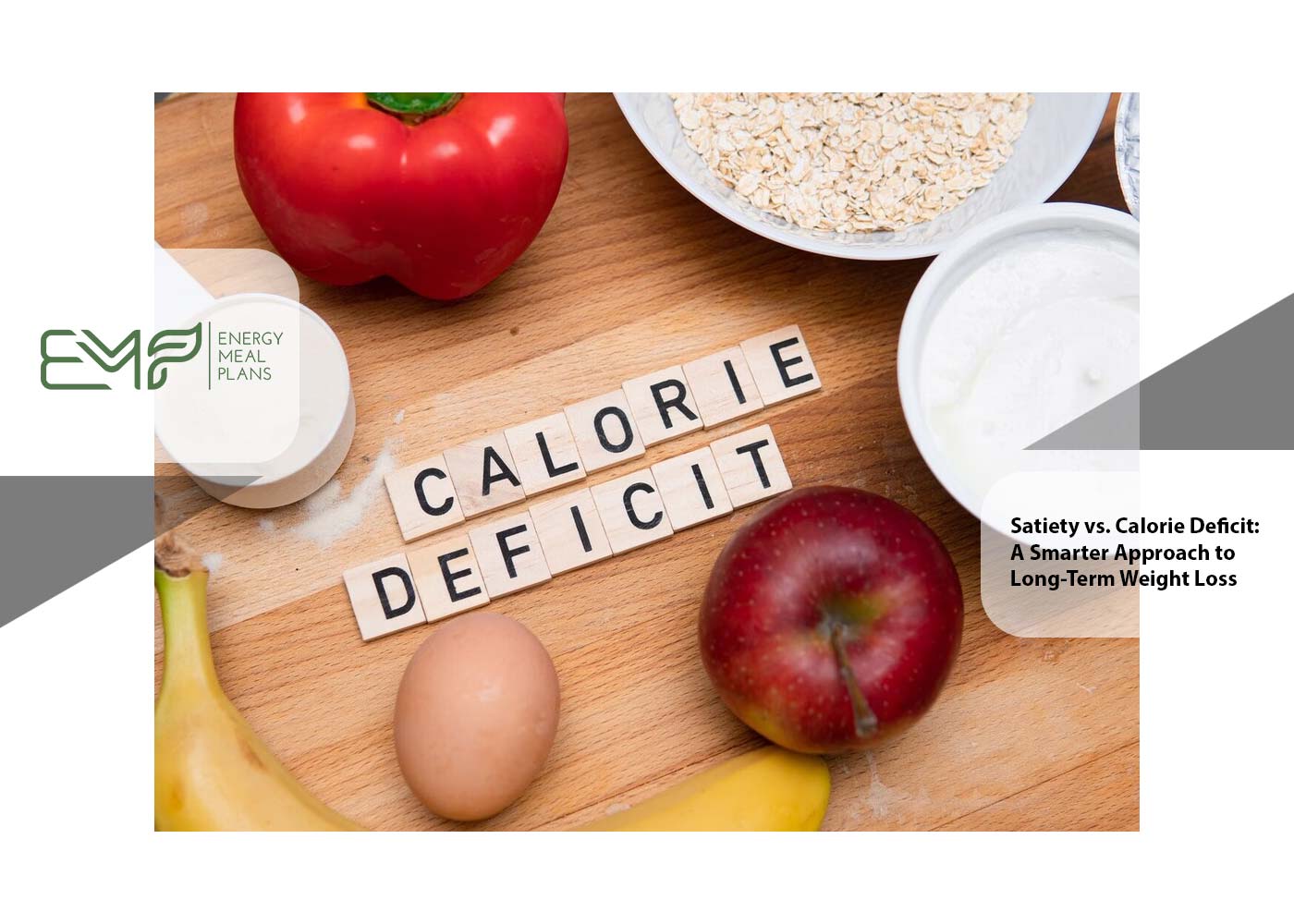
Weight loss might look complicated, but it is not as
difficult as people think. It is only about striking a balance between your
satiety and your calorie cutting. Many people become frustrated and constantly
hungry when they are on a calorie-deficient diet. However, this guide will
explain the difference between calorie restriction and satiety, and how
improving gut health and fullness hormones will naturally influence appetite.
It is important for everyone on a weight-loss plan to focus on satiety, as it
is a smarter, more sustainable approach to achieving long-term weight loss.
Conventionally, people have always felt that weight loss is
only about eating less and moving more. However, if people go for a strict
calorie cut, they feel hungrier and more exhausted, and the weight-loss plateau
becomes fixed. Therefore, adopt a smarter and more science-based approach that
focuses more on satiety, how full you are going to feel, rather than just
focusing on cutting down the calories.
Understanding satiety and its relation to weight management
One feels satiated after having a proper meal. It tells your
brain that you are full now and you do not need to eat more. If your satiety
signals are strong, then:
- You will naturally eat fewer calories.
- You will have fewer cravings.
- You will have more energy between meals.
Hence, if you are focusing on only on calorie intake, you
will feel hungrier, making your weight-loss journey harder and less
sustainable.
Decoding the difference between calorie restriction and satiety
Calorie restriction usually focuses on reducing the number of calories you consume without considering how you will feel. It can be a short-term goal, but in the long run, it will often:
- Make you feel hungrier.
- Leads to more frequent cravings.
- Trigger overeating psychology.
However, people who focus on satiety with science-backed
approaches like GLP 1 medications for weight loss have experienced faster weight loss. It slows the rate at
which food leaves the stomach, making people feel full for longer. It changes
how they biologically respond to food, thereby accelerating weight loss. Even
by consuming less food, you can feel full, thereby reducing cravings. Hence,
this will make it easier to develop a healthy, long-term weight-loss plan
without having to starve.
Increasing satiety without cutting down calories
People need to cut calories or reduce their intake when on a
weight-loss plan. However, it does not mean they have to do it aggressively.
The focus should be on:
- Eating more protein and fiber foods.
- Having healthy fats that will slow down digestion.
- Having microbes and prebiotics in the diet for better gut
health.
- Reducing foods that cause inflammation.
This will help to stay full for a longer period of time.
Moreover, you will not constantly crave food. Therefore, a calorie deficit will
occur naturally. It will not be forced on you, but it will still make you feel
fuller for longer, so naturally, people will consume fewer calories.
Conclusion
Earlier, weight management was only about eating less and
starving. However, the new approach focuses more on satiety, which is not only
about calorie control but also aims to support your body in a natural way to
manage hunger signals. It leads to a sustainable path toward more lasting,
healthier eating habits. Feel free to consult the experts at Thinera.com for more information.