Meal prep does not have to mean eating the same
chicken-and-rice bowl five days in a row. A more flexible approach is to
prepare two or three versatile protein options, then change the sides, sauces,
and vegetables as the week goes on.
Roasted chicken can become a grain bowl one day and a wrap
the next. Turkey meatballs work with pasta, vegetables, or salad. Even
breakfast can be partially prepared ahead without assembling every meal in
advance.
The following ideas are designed for real weekdays: they
portion easily, use familiar ingredients, and can be combined in more than one
way.
1. Chicken and Roasted Vegetable Bowls
Chicken breast and boneless thighs are both useful starting
points for meal prep. Breasts are lean and cook relatively quickly, while
thighs stay tender and are more forgiving during reheating.
Season the chicken simply before cooking. Salt, pepper,
garlic, and paprika create a neutral base that works with several sauces.
Instead of adding one sauce to the entire batch, divide the cooked chicken into
portions and change the flavor when serving. Try pesto with roasted vegetables,
salsa with rice and beans, or a yogurt-herb sauce with quinoa and cucumber.
Roast two vegetables at the same time, choosing ones with
similar cooking requirements. Broccoli and cauliflower pair well, as do carrots
and cubed sweet potatoes. Keeping the grain separate makes it easier to turn
the same ingredients into a warm bowl, cold salad, or wrap.
2. Salmon Cakes for Lunch or Dinner
Salmon cakes offer more flexibility than a full fish fillet.
They are already portioned, easy to pack, and can be served warm or at room
temperature when appropriate refrigeration is available.
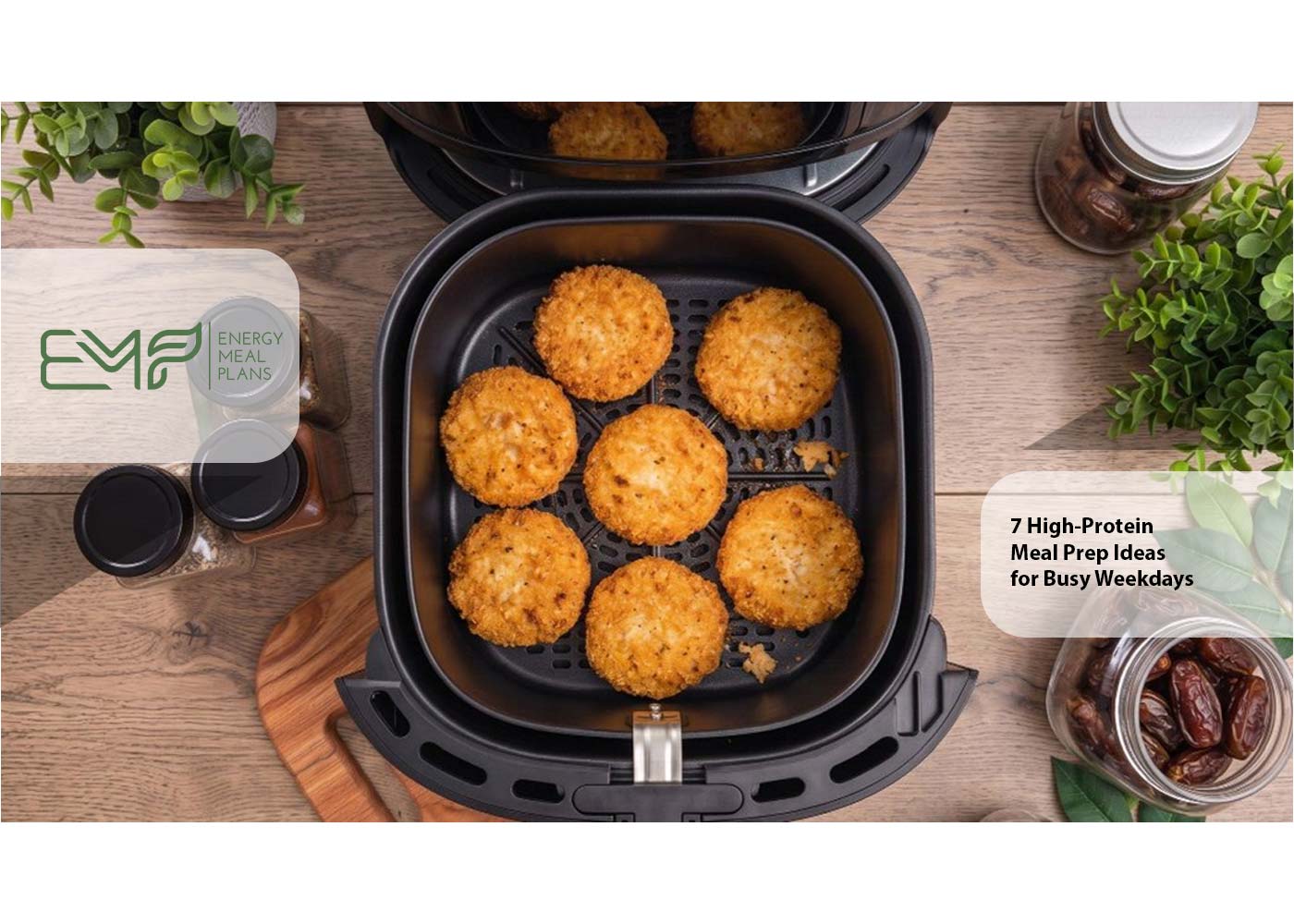
Salmon cakes are especially practical because they can work
as a main dish, salad topper, or sandwich filling. These air fryer salmon cakes use salmon, panko, Dijon, herbs, and simple seasonings and can
be prepared with either canned or cooked fresh salmon.
Pair them with quinoa and green beans for dinner, or place
one over chopped greens for lunch. They also fit neatly into small buns or pita
bread with lettuce and a spoonful of yogurt sauce.
Let the cakes cool before packing them so condensation does
not soften the outside. Store sauces separately, especially if you plan to use
the cakes in sandwiches or salads. When reheating, warm only the amount you
intend to eat and avoid leaving them in the heat longer than necessary.
3. Turkey Meatballs That Work Three Ways
A batch of turkey meatballs can cover several meals without
feeling repetitive. The key is to keep the seasoning versatile rather than
committing the entire batch to one strongly flavored sauce.
Garlic, onion, parsley, black pepper, and a small amount of
grated Parmesan make a good base. Once cooked, the meatballs can be served with
tomato sauce and pasta, added to a rice bowl with roasted zucchini, or tucked
into a wrap with lettuce and a creamy dressing.
Prepare the sauce separately and add it after reheating.
This helps the meatballs hold their shape and lets you change the meal more
easily. If you make a large batch, portion it according to how you actually eat
rather than filling every container with the same number.
4. Egg-Based Breakfast Prep
Breakfast is often easier when only the time-consuming parts
are prepared ahead. You do not need to assemble a full breakfast for every
morning.
Egg muffins made with chopped vegetables are easy to portion
and pack. Spinach, bell pepper, mushrooms, and cooked broccoli all work, but
vegetables with a lot of moisture should be sautéed or drained first.
Otherwise, the egg muffins may become watery as they sit.
Boiled eggs are another useful option. Pair them with fruit
and whole-grain toast, add them to a breakfast box, or slice them over a simple
grain-and-vegetable bowl.
For a warm breakfast, prepare roasted potatoes and cooked
vegetables in advance, then add freshly scrambled eggs in the morning. This
takes only a few minutes and gives the meal a better texture than reheating the
entire bowl together.
5. Beef or Turkey Taco Bowls
Seasoned ground beef or turkey is quick to cook and easy to
divide into weekday portions. It also works with a wide range of ingredients,
including rice, black beans, corn, peppers, shredded cabbage, lettuce, and
salsa.
Keep crisp and wet ingredients out of the main storage container.
Lettuce, cabbage, avocado, salsa, and sour cream are better added after the
meat and rice have been reheated. Packing them separately takes a little more
space, but the finished bowl tastes fresher.
The same filling can become tacos or a wrap later in the
week. If you are preparing meals for people with different preferences, set up
the cooked meat, grain, beans, vegetables, and toppings as separate components
rather than assembling identical bowls.
6. Greek Yogurt and Protein-Rich Snack Boxes
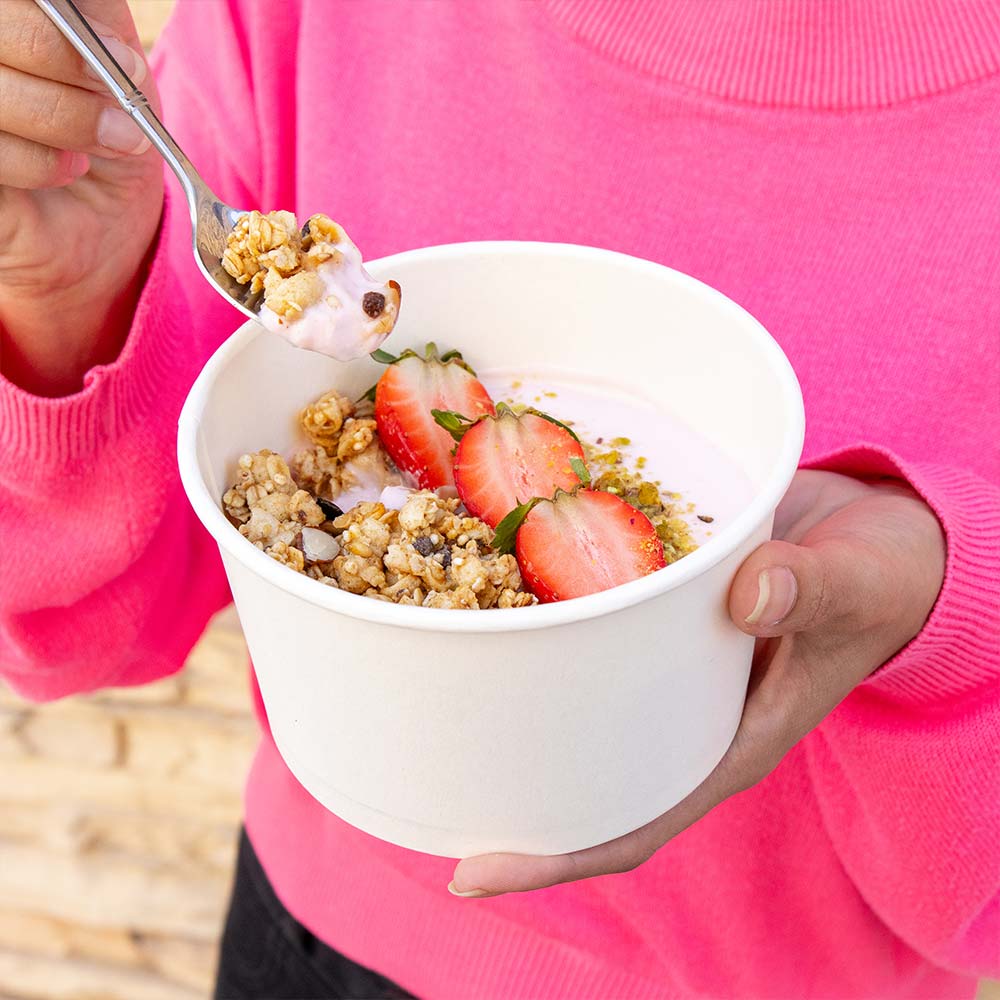
Not every prepared meal needs to be cooked. Greek yogurt can
form the base of a quick breakfast or snack when packed with fruit, nuts,
seeds, or a small amount of granola.
Keep crunchy toppings in a separate container until serving.
Berries can be packed alongside the yogurt, while sliced bananas are better
added shortly before eating.
Savory snack boxes are another convenient option. Combine
boiled eggs, cheese, raw vegetables, hummus, whole-grain crackers, or roasted
chickpeas in portions that suit your schedule. These boxes can fill the gap
between meals or serve as a simple lunch on a busy day.
Choose a few ingredients you will genuinely want to eat
rather than filling the box with too many small items. Three or four
well-matched components are usually enough.
7. Simple Fish and Vegetable Meals
Salmon, shrimp, and firm white fish can all be part of a
weekday prep plan, but seafood deserves a little more planning than chicken or
meatballs. Prepare it for meals scheduled earlier in the week instead of
expecting it to sit unnecessarily long.
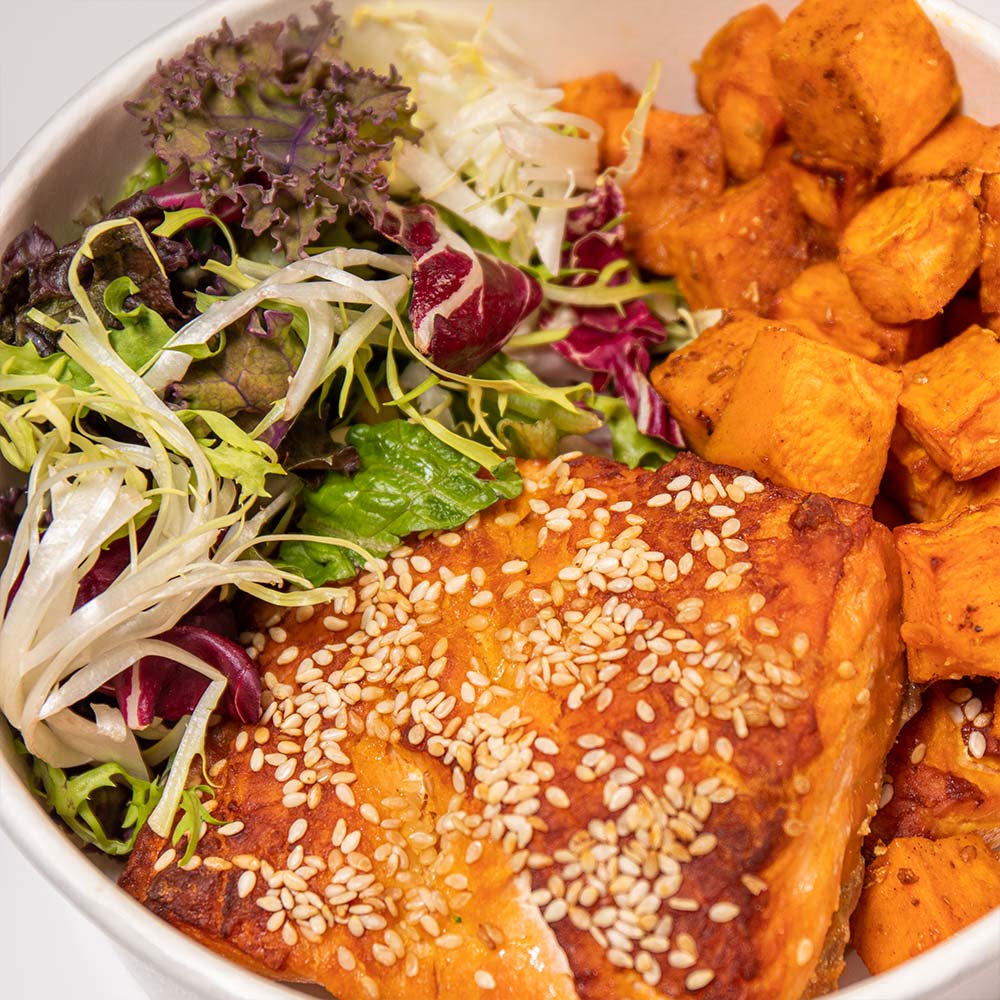
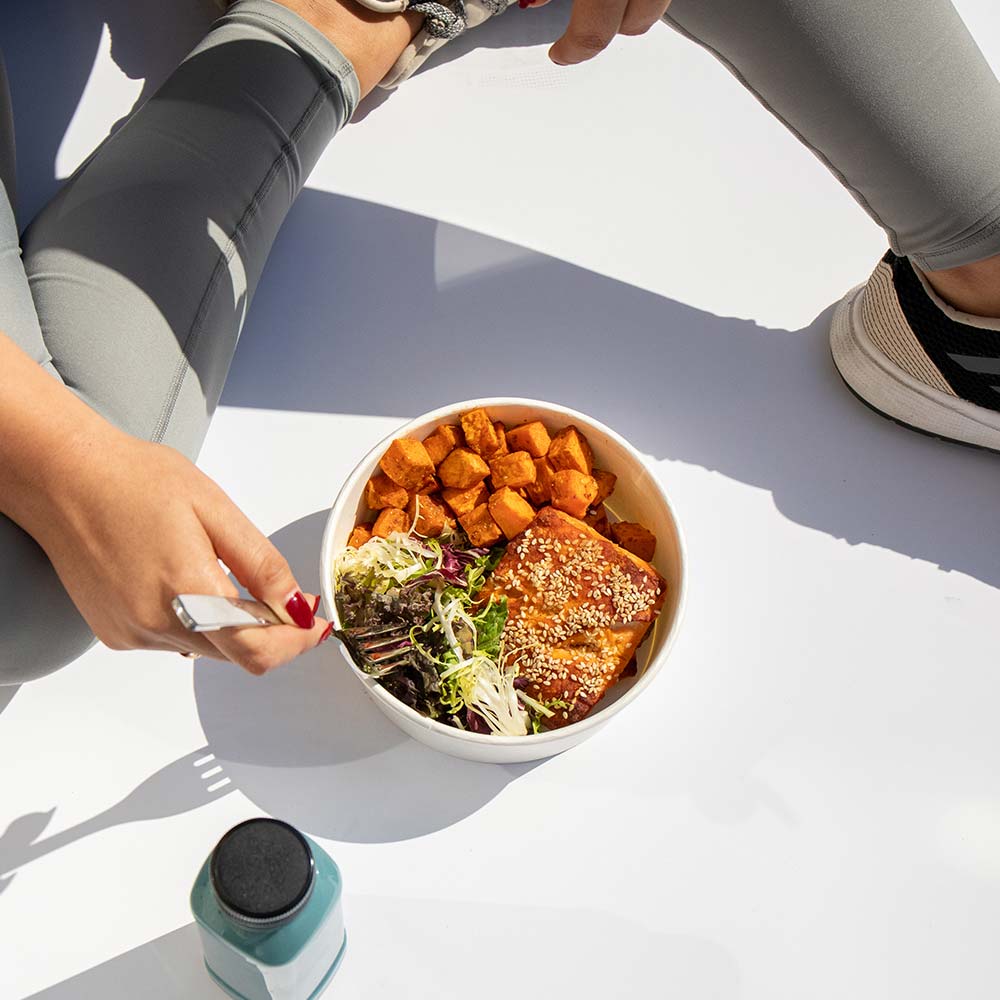
For an easy dinner, pair cooked salmon with rice and
asparagus, or serve white fish with roasted potatoes and green beans. Shrimp
works well in grain bowls and salads, although dressing should be added just
before eating.
Reheat seafood gently so it does not become dry or rubbery.
In some meals, such as salads or wraps, cooked fish may be enjoyable chilled,
which removes the need to reheat it at all.
Practical Meal Prep Tips
A few habits make prepared meals easier to store and more
pleasant to eat:
- Allow hot food to stop steaming before sealing the
container, but refrigerate it promptly rather than leaving it out for an
extended period.
- Use airtight containers sized for the portions you
normally eat.
- Keep dressings, salsa, and creamy sauces separate when
they would soften the other ingredients.
- Prepare more than one side for the same protein. Rice,
quinoa, roasted potatoes, salad greens, and wraps create noticeably different
meals.
- Label containers when cooking several dishes at once,
especially if some are intended for earlier in the week.
- Reheat only the portion you plan to eat instead of
repeatedly warming the entire batch.
- Pack crisp toppings such as nuts, seeds, crackers, and
shredded vegetables separately.
The most useful meal prep routine is one that leaves room
for choice. Prepare a few reliable proteins, add sides that can be mixed and
matched, and assemble each meal according to the time and appetite you have
that day. This keeps weekday cooking manageable without turning the
refrigerator into a row of identical containers.