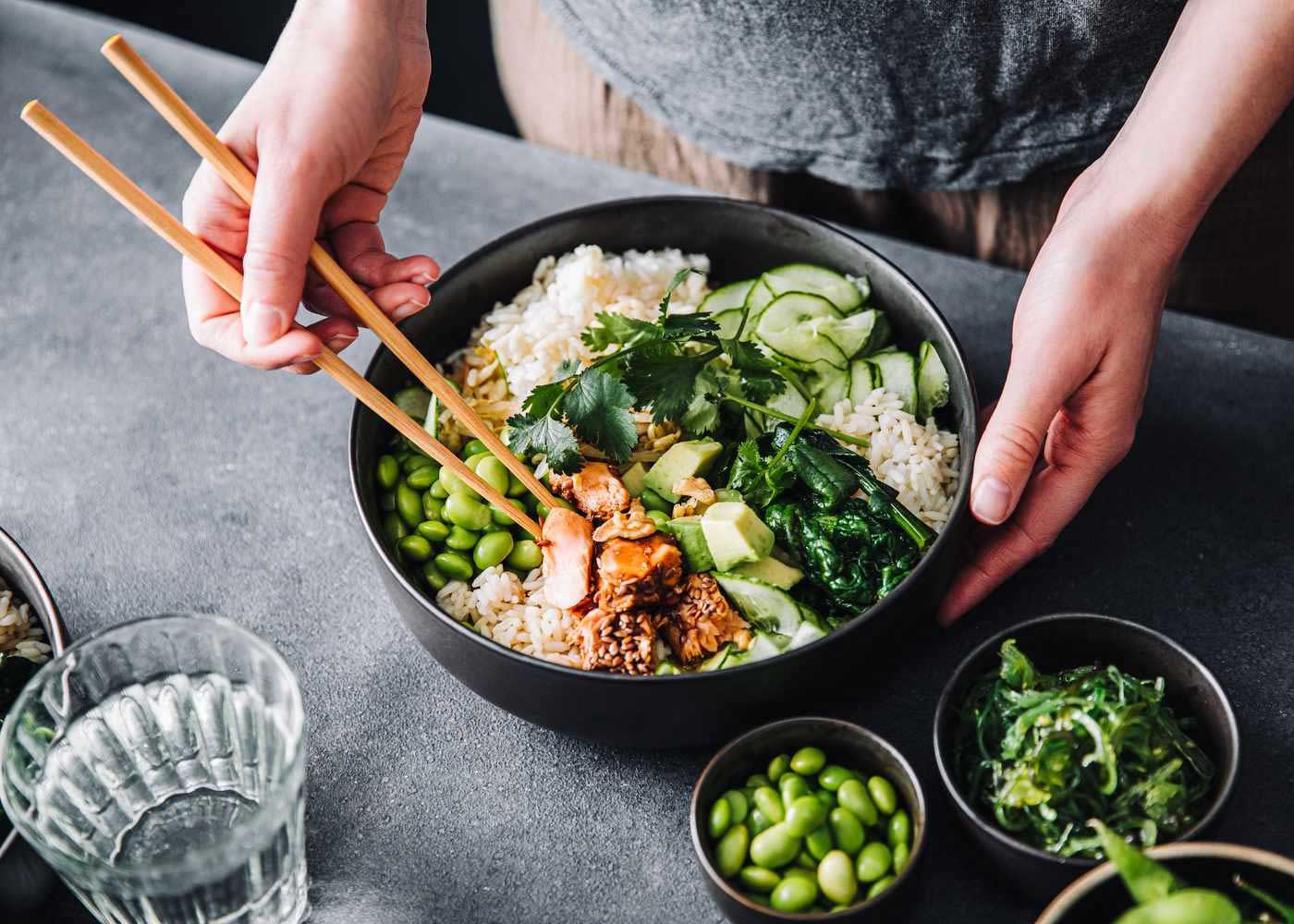
Sunday meal prep has become something close to a ritual for
people serious about eating well during a busy week. Containers lined up on the
counter, a few proteins roasting, grains cooling before portioning — it's a
system built on the simple insight that willpower during a hectic Wednesday
evening is a limited resource, but planning on a calm Sunday afternoon is not.
The same logic that makes meal prep so effective for nutrition applies just as
well to the rest of a person's weekly wellness routine, and yet most people
never extend the system beyond the kitchen.
That's a missed opportunity. The habits that support a
person's overall well-being across a week — hydration, stress management, sleep
hygiene, movement, and personal rituals — all benefit from the same
batch-planning mindset that makes meal prep work. Building a broader
"wellness prep" routine alongside your regular meal prep session
means treating your whole week's self-care needs with the same intentionality
you already apply to your food.
Start by auditing what actually falls apart during the week.
Most people don't need a complicated new system; they need to notice where
their current routine already breaks down. Is it hydration, because you never
have water handy at your desk? Is it a mid-afternoon energy slump that sends
you toward a vending machine? Is it a lack of any wind-down ritual before bed,
so you scroll your phone until you're too tired to do anything else? Meal prep
works because it targets a specific, recurring failure point — not having
decent food ready when you're hungry and pressed for time. Wellness prep works
the same way: identify your specific failure points first, then build solutions
around them.
Batch what can be batched. Just as you might portion a
week's worth of overnight oats into jars, you can portion a week's worth of tea
blends into labeled bags, pre-measure electrolyte packets into a travel
container, or lay out a full week's supplements and botanicals in a daily pill
organizer so the decision is made once instead of seven separate times. This
single shift — deciding once per week instead of once per day — is the entire
mechanism behind why meal prep saves so much mental energy, and it applies just
as cleanly to any other daily habit you're trying to make automatic.
Build in a consistent ritual anchor, the same way meal prep
anchors your eating schedule. Many people who prep meals successfully also
benefit from anchoring a wellness ritual to a specific, recurring moment in the
day — a cup of tea while the coffee brews, a few stretches while dinner
reheats, a moment of quiet before the household wakes up. For adults looking to
add a botanical component to that anchor ritual, this is also the moment to
decide in advance rather than improvising: research a product, choose a
reputable source, and portion it out for the week just like everything else.
Someone who wants to shop kratom online as part of building this kind of routine will find the same
principle applies — deciding on sourcing and quantity ahead of time, during the
calm of a Sunday prep session, rather than making that decision reactively
mid-week.
Keep the system visible. One underrated reason meal prep
works is that the finished containers are sitting right in the fridge,
impossible to ignore and easy to grab. Apply the same principle to wellness
prep: a labeled tea caddy on the counter, a filled water bottle by the door, a
small tray with the week's supplements already organized. Visibility removes
the friction of remembering, searching, or deciding in the moment, which is
often the actual barrier to consistency rather than any lack of motivation.
Review and adjust weekly, the same way you'd tweak a meal
plan that didn't quite work. If Tuesday's portion of tea went untouched, or the
electrolyte packets ran out by Thursday, that's useful information for next
week's prep, not a sign of failure. Wellness routines, like meal plans, improve
through iteration, not through getting everything right on the first attempt.
The broader point is that meal prep succeeds because it
turns good intentions into pre-built infrastructure, removing decision fatigue
exactly where it's most likely to derail you. There's no reason that
infrastructure has to stop at the edge of your food containers. Applied
thoughtfully to hydration, rest, and personal botanical rituals, the same
Sunday-afternoon planning session that keeps your week's meals on track can
just as easily keep the rest of your wellness routine on track too.