Making matcha at home is easier than you might think. You do
not need fancy tools or special skills to make a good cup. With good matcha,
warm water, and a little whisking, you can enjoy a smooth and fresh drink in
just a few minutes.
The key is getting a few simple things right. The amount of
matcha, water temperature, and the way you whisk can all affect how your tea
tastes. Once you get used to the process, making matcha can become a simple
part of your daily routine.
Whether you are trying matcha for the first time or want to
make your usual cup taste better, this guide will show you how to prepare it
step by step.
What You Need to Make Matcha?
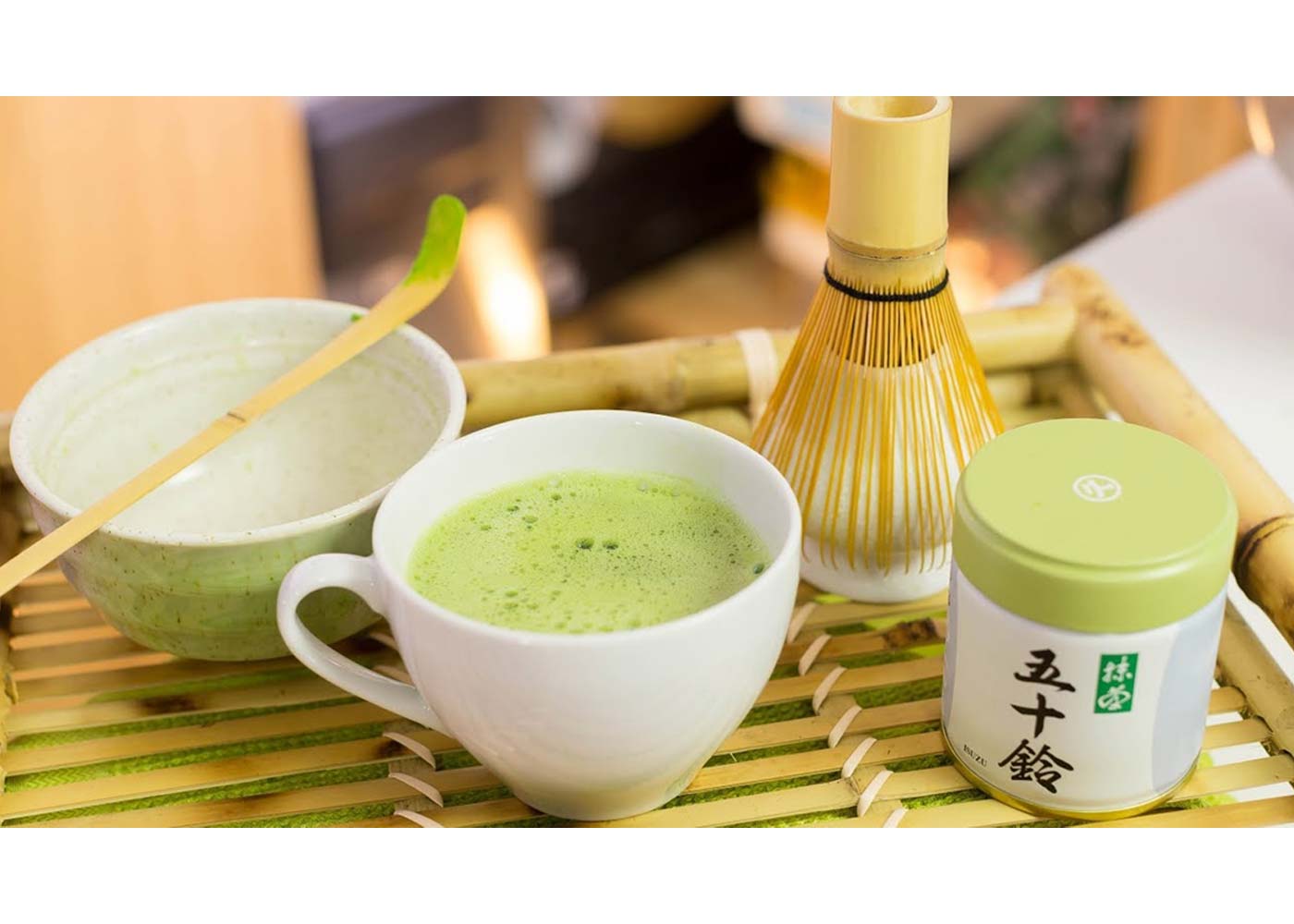
Before you start, gather a few basic things. You can use
traditional Japanese tools, but you can also make a good cup with items you
already have in your kitchen.
You will need:
- 1 to 2 teaspoons of matcha
- 60 to 100 ml of hot water
- A small bowl or wide cup
- A bamboo matcha whisk, called a chasen
- A small sieve
- A teaspoon or bamboo scoop
If you do not have a bamboo whisk, a small electric milk
frother can work as an alternative. You can also use a regular kitchen whisk,
although it may not create the same fine layer of foam.
Start With Fresh Matcha
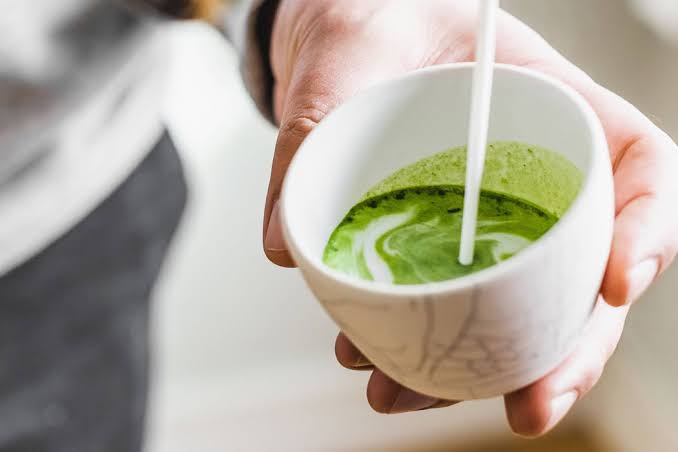
The most important ingredient is, of course, the matcha
itself.
Matcha is sensitive to air, light, heat, and moisture. Once
opened, it can slowly lose its fresh aroma, bright colour, and pleasant
flavour.
Try to choose fresh, good-quality matcha from a reliable
source, such as matcha mornings. Since
you drink the whole tea leaf rather than steeping and removing it, quality has
a big effect on the final taste.
Additionally, store your matcha in an airtight container and
keep it away from heat, sunlight, and strong smells. If you use matcha
regularly, buying a smaller amount and finishing it while it is fresh is often
better than keeping a large container for months.
Measure the Right Amount
For a traditional-style cup, start with about 1 to 2 grams
of matcha. This is roughly one to two teaspoons, depending on the spoon and how
you measure it.
If you are new to matcha, starting with around 1 gram can be
a good idea. It gives you a chance to understand the flavour without making the
cup too strong. And if you prefer a stronger and more traditional-style cup,
use closer to 2 grams.
Sift Your Matcha
This is a small step, but it can make your matcha much
smoother.
Matcha is a very fine powder, so it can easily form little
lumps when it comes into contact with water. Sifting breaks up those clumps
before you whisk.
Place your sieve over the bowl and gently push the matcha
through it using your spoon or scoop. It should fall into the bowl as a fine,
soft powder.
Use the Right Water Temperature
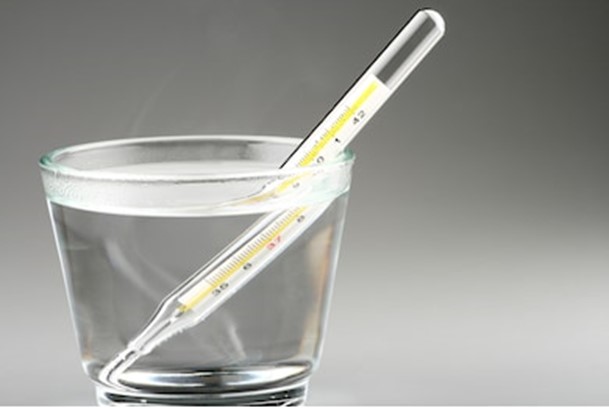
One of the most common mistakes people make with matcha is
using boiling water.
Matcha is delicate, and very hot water can bring out more
bitterness and make the cup taste harsh. Instead, use water that is hot but not
boiling. Around 70°C to 80°C is a useful starting range.
If you do not have a thermometer, simply boil the water and
let it cool for a few minutes before using it. The exact temperature does not
need to be perfect.
Water quality matters too. If your tap water has a strong
taste or smell, filtered water can help you get a cleaner cup.
Make a Smooth Matcha Paste
Once your matcha is sifted, add a small amount of hot water.
Around 15 to 20 ml is enough at this stage.
Use your whisk to gently mix the matcha and water into a
smooth paste. This helps prevent dry powder from staying at the bottom of the
bowl.
Take a few seconds to make sure there are no obvious lumps.
Then add the rest of the water.
Whisk It Properly
Now comes the fun part.
Hold the bowl firmly with one hand and your bamboo whisk
with the other. Instead of slowly stirring in circles, move the whisk quickly
back and forth in a W or M-shaped motion.
After about 15 to 30 seconds, you should see a light layer
of fine foam on the surface. The goal is not to create a huge amount of foam. A
small, even layer is perfectly fine.
You just have to blend the powder well and create a smooth
texture.
Taste Before Adding Anything

If you are drinking matcha for the first time, try it on its
own before adding milk, sugar, or sweetener.
This gives you a chance to understand the tea's natural
character. You might notice a mild sweetness followed by umami, a fresh grassy
taste, or a gentle bitterness.
Do not worry if the flavour seems unfamiliar at first.
Matcha has a very different character from ordinary tea because you are
drinking the powdered leaf itself.
With time, you may start noticing more subtle differences
between matchas from different regions and producers.
Making a Matcha Latte at Home
Once you are comfortable making plain matcha, a matcha latte
is an easy next step.
Prepare your matcha using the same basic method but use
slightly less water. Whisk it until smooth, then add warm or cold milk.
Oat milk works particularly well because its naturally
creamy texture pairs nicely with matcha. Regular dairy milk, soy milk, and
other plant-based options can also work.
Add sweetener if you like, then gently mix everything
together.
For an iced latte, prepare the matcha with warm water first.
Let it cool slightly, then pour it over ice and add cold milk. This gives you a refreshing drink without losing the flavour of the
matcha.
Conclusion
Making a good cup of matcha at home is mostly about paying
attention to a few simple details. Use fresh matcha, sift the powder, avoid
boiling water, and whisk it properly. From there, let your own taste guide you.
Do not worry about making your first cup perfect. Matcha is something you can
learn by tasting and experimenting. Try different amounts, temperatures, and
styles until you find the combination you enjoy most.