Working as a chef can be incredibly rewarding, especially
when you love creating delicious food and seeing customers enjoy what you've
made. However, spending hours in a busy kitchen can take its toll on your body.
Between standing for long periods, working around hot equipment, and keeping up
with constant orders, it's understandable if you sometimes finish your shift
feeling completely exhausted.
While long shifts will always be demanding, being
uncomfortable doesn't have to be part of the job. From choosing the right
clothing to looking after your feet and managing your energy levels, there are
plenty of ways to make your working day easier. Here are some practical changes
that could help you feel more comfortable from the moment you start preparing
ingredients to the final clean-up.
Invest In Comfortable Chef Clothing
When you're spending ten or twelve hours in a kitchen, what
you're wearing can make a huge difference to how comfortable you feel. Clothing
that's too tight, restrictive, or unsuitable for hot environments can quickly
become frustrating, particularly when you're constantly bending, stretching,
and moving between workstations.
Buying some comfortable chef pants for long shifts is a good starting point, as the right fit and
fabric can help you move freely throughout the day. Ideally, look for
breathable materials, comfortable waistbands, and practical designs that allow
you to work without feeling restricted.
Your chef jacket is equally important, especially when
you're spending considerable time near ovens and grills. The best options are
lightweight, breathable, kitchen-appropriate clothing that can help you manage
the heat while maintaining a professional appearance.
It's also worth keeping a spare uniform available,
particularly if you work consecutive shifts. Having clean, fresh clothing ready
can make getting prepared for another demanding day much easier.
Choose Footwear That Supports Your Feet
If there's one thing that can make a long kitchen shift feel
even longer, it's uncomfortable shoes. As a chef, you're constantly standing,
walking, turning, and moving around, which can put considerable pressure on
your feet, knees, and lower back. If you have a poor pair of shoes, this will
not make each shift you have enjoyable.
To reduce your risk of experiencing all this, look for shoes
specifically designed for professional kitchens, with slip-resistant soles,
supportive cushioning, and enough room for your feet to move comfortably. It's
also important to choose the correct size, as footwear that's too tight can
cause rubbing, while shoes that are too loose may affect your stability. Don't
forget about your socks, too! You might also find that moisture-wicking socks
help keep your feet dry, particularly when you're working in a hot kitchen.
What many people forget as well is that even the best shoes will wear down with
time. So, even if you tick each box for comfort and safety, the moment you
start to notice the soles or cushioning wearing down, replace them sooner
rather than later, before they cause too much discomfort.
If your kitchen has particularly hard flooring, you could
also ask whether anti-fatigue mats would be suitable for areas where you spend long periods standing.
These can provide additional cushioning, provided they're designed for the
environment and don't create a slipping or tripping hazard.
Stay Hydrated During Your Shift
It's surprisingly easy to forget about drinking water when
you're concentrating on preparing meals and keeping up with orders. However,
commercial kitchens can become extremely hot, and sweating throughout your shift
can leave you dehydrated before you realize it. The problem with dehydration
is that it can contribute to tiredness, headaches, and difficulty
concentrating, making an already demanding job feel even harder.
Try to drink water regularly rather than waiting until
you're thirsty. Keeping a refillable bottle in a designated, food-safe area can
make it easier to stay hydrated whenever you have a moment.
If you're working in particularly hot conditions, pay
attention to how you're feeling and take opportunities to cool down. Dizziness,
weakness, or feeling unusually overheated shouldn't be ignored, especially when
you're working around potentially dangerous equipment.
Eat Properly To Maintain Your Energy
When you spend your working day preparing food for other
people, it's easy to forget about your own meals. You might skip breakfast
because you're rushing to work or grab whatever's available between orders, but
this can leave you feeling drained halfway through a long shift.
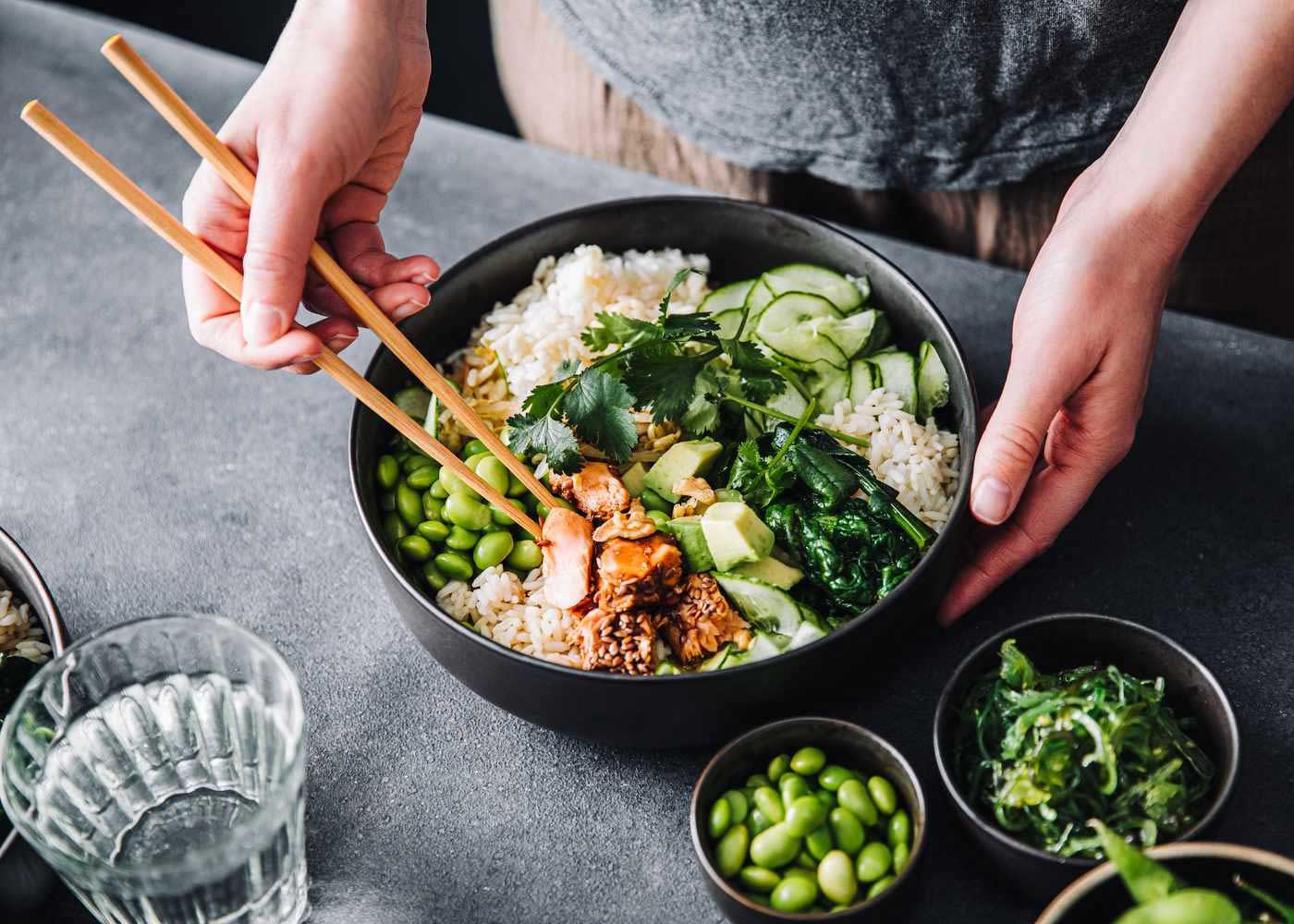
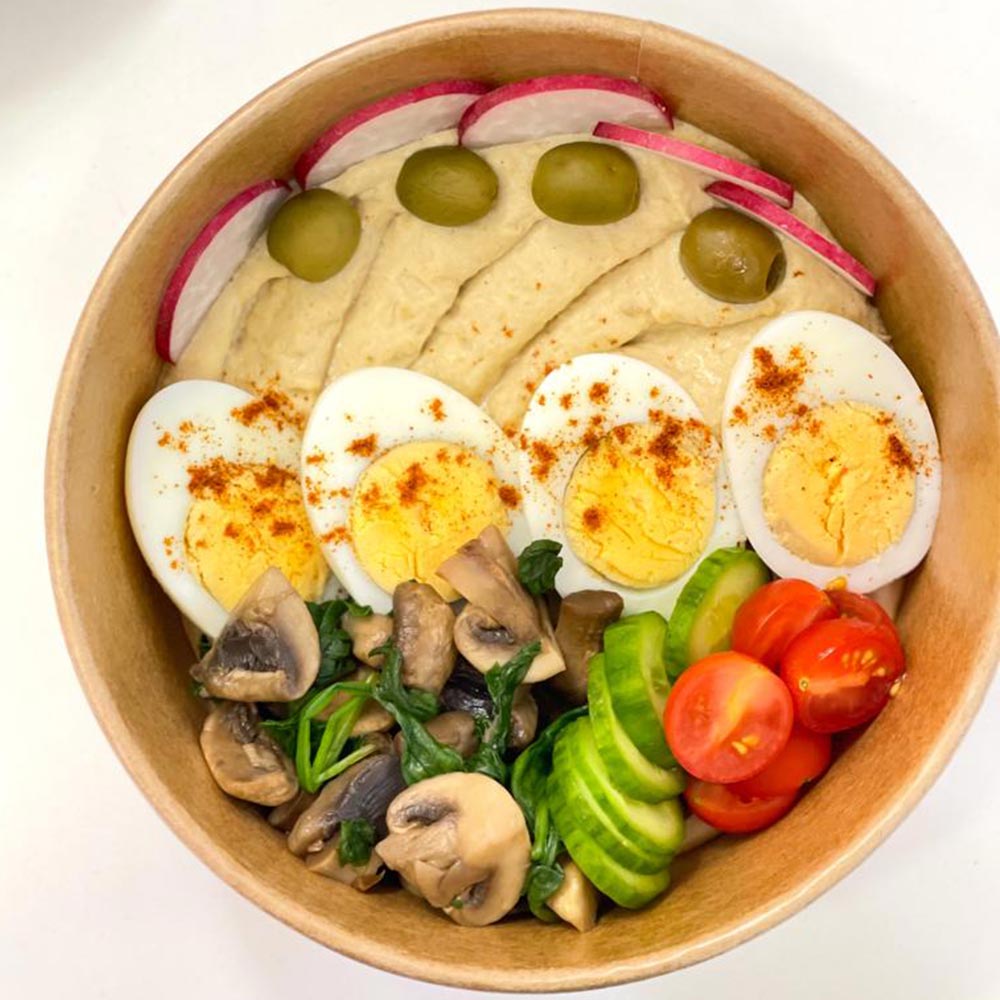
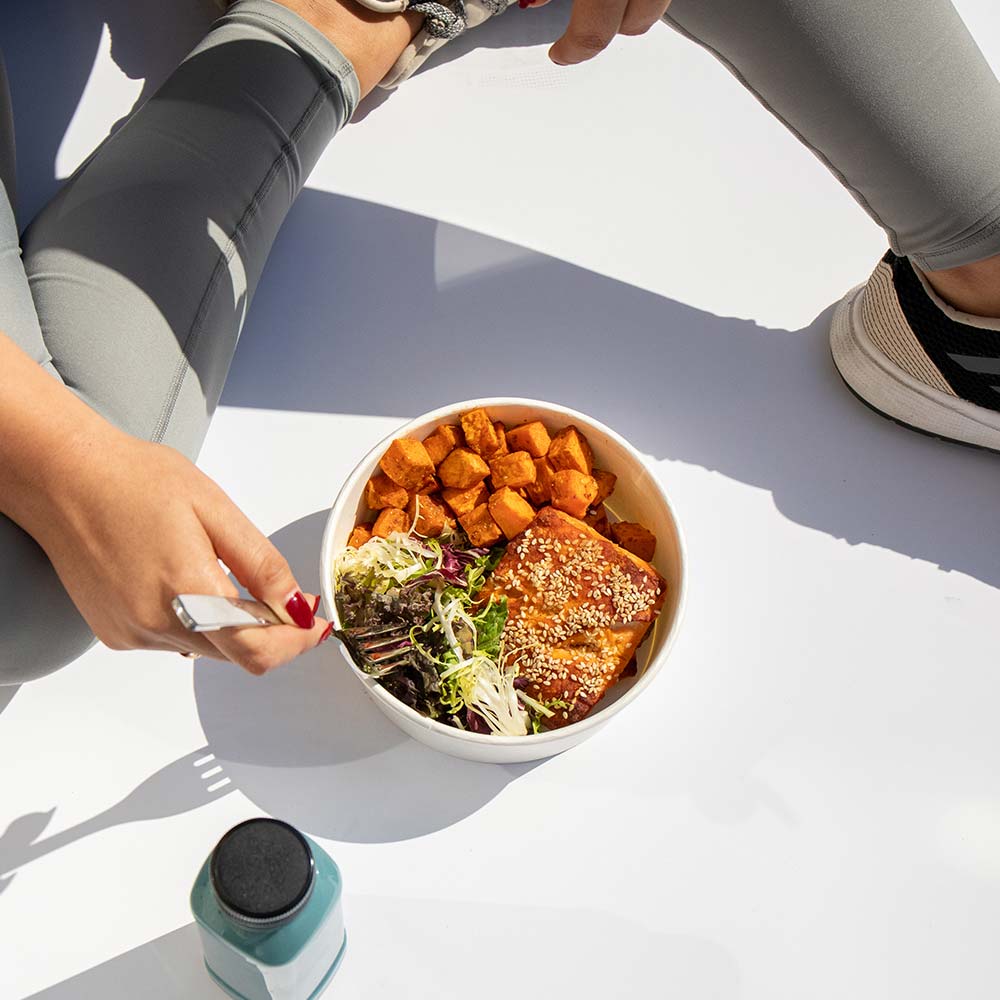
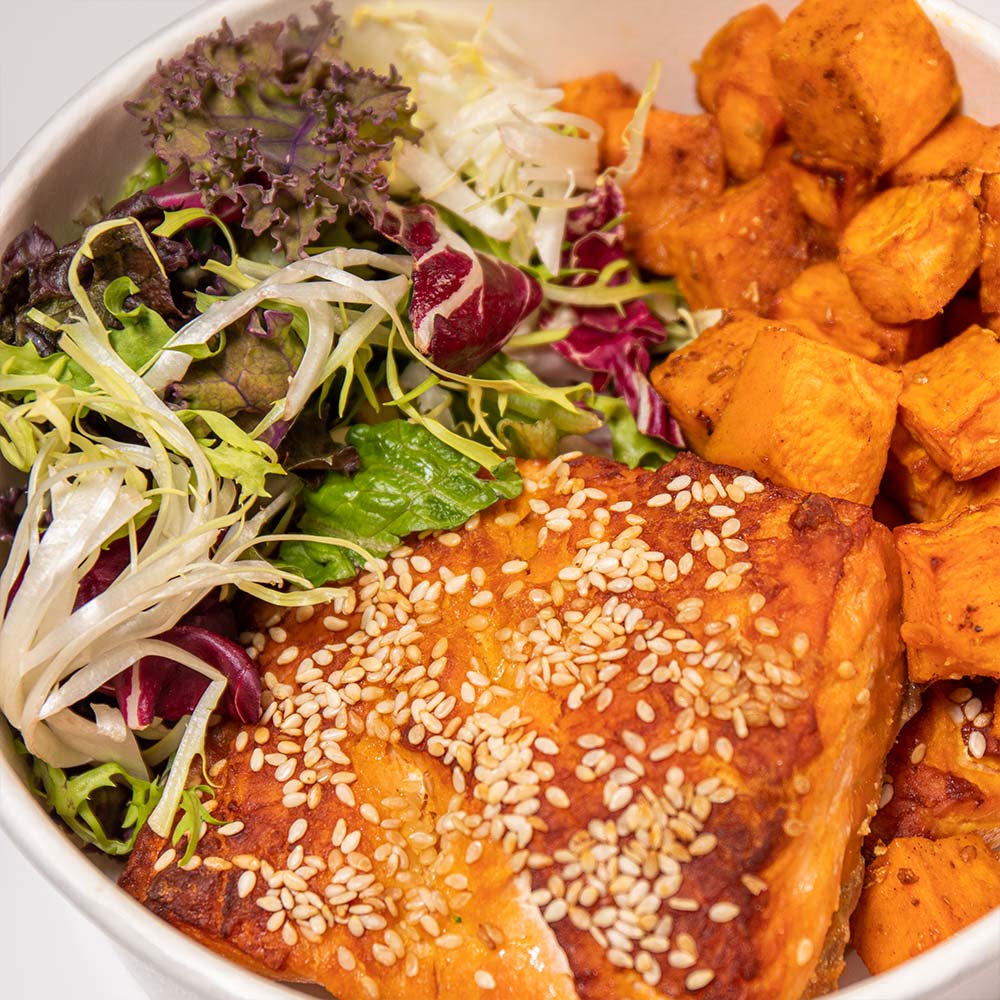
Eating a balanced meal before work can help you feel better
prepared for the day ahead. Try combining carbohydrates, protein, and healthy
fats to give yourself sustained energy without feeling overly full. If you have
a break during your shift, make an effort to eat something nutritious rather
than relying entirely on caffeine or sugary snacks. Preparing food in advance
can be particularly helpful when your schedule is unpredictable.
Simple options such as sandwiches,
fruit, yogurt, or nuts are easy to bring to work and can help keep you going
until your next proper meal.
Make the Most of Your Breaks
When the kitchen gets busy, it can be tempting to work
straight through your breaks to get ahead of preparation or keep everything
running smoothly. However, regularly missing opportunities to rest can make
long shifts much more exhausting. Whenever you have a break, try to use it to
properly recharge. Sitting down, drinking water, eating something, and getting
away from the heat can all help you feel more comfortable when you return to
work.
You could also use part of your break to gently stretch your
legs, shoulders, and back, especially if you've been standing in the same
position for hours. Even a few minutes of light movement can help ease
stiffness and leave you feeling more prepared to tackle the rest of your shift.
If possible, you could simply find somewhere quiet where you can switch off for
a little while. Even a short period away from the noise and pressure of the
kitchen can be beneficial.
It's also important that your workplace allows you to take
the breaks you're entitled to, particularly when you're regularly working
extended shifts.
Pay Attention to Your Posture
Working in a professional kitchen involves plenty of
repetitive movements, from chopping vegetables and lifting pans to reaching for
ingredients and bending to retrieve equipment. Although these movements might
seem insignificant individually, repeating them throughout a long shift can
contribute to muscle fatigue and discomfort.
Try to position yourself comfortably when preparing food,
avoiding unnecessary leaning or twisting wherever possible. Keeping frequently
used ingredients and utensils within easy reach can also reduce the amount of
stretching you need to do.
When lifting heavy pots or equipment, use safe lifting techniques and ask for assistance when necessary. Taking a little extra
care with how you move can help reduce unnecessary strain throughout your
working day.
Keep Your Workstation Organized
A cluttered workstation can make your job more stressful and
physically demanding than it needs to be. Constantly searching for utensils,
reaching across surfaces, or walking back and forth for ingredients wastes
energy that you'll need later in your shift. Before service begins, spend some
time arranging your equipment and ingredients so that everything you regularly
use is easily accessible.
Keeping your workstation clean and organized can also make
busy periods feel more manageable, allowing you to concentrate on preparing
food rather than dealing with unnecessary distractions.
Working efficiently isn't about rushing through everything.
It's about creating a setup that helps you move comfortably and complete your
tasks without wasting effort.
Find Ways to Manage the Kitchen Heat
Working around ovens, grills, fryers, and other equipment
means heat is an unavoidable part of being a chef. However, excessive
temperatures can make long shifts particularly uncomfortable. Alongside wearing
breathable, kitchen-appropriate clothing and drinking plenty of water, take
opportunities to cool down in designated break areas, especially during
particularly demanding service periods. If the kitchen regularly becomes
excessively hot and you are already trying these techniques, raise the issue
with your manager rather than simply accepting uncomfortable working
conditions. It might be that your workplace doesn't have functioning
ventilation and extraction systems.
Look After Yourself When You Get Home
What you do after your shift can also influence how
comfortable you feel when you return to work the following day. After spending
hours on your feet, gentle stretching may help relieve stiffness, while a warm shower and some time to
relax can help you unwind. Getting enough sleep is especially important when
you're regularly working late evenings or early mornings. Try to maintain a
consistent routine wherever possible, and give yourself adequate time to
recover between demanding shifts.
It's also worth paying attention to your activities outside
work. While staying active can support your general well-being, you don't
necessarily need to plan an intense workout after an exhausting kitchen shift.
Sometimes a gentle walk or a relaxing evening is a more practical choice. If you're
experiencing persistent aches or pains, consider seeking professional advice
rather than assuming discomfort is simply part of your job.
Make Your Comfort a Priority
Being a chef will always involve hard work, but that doesn't
mean you should expect to feel completely worn out after every shift. Choosing
comfortable clothing, wearing supportive footwear, staying hydrated, and paying
attention to your body's needs means you can make your working day much more
manageable.
Looking after your comfort when you're working isn't just
about getting through your next shift. It's about looking after your well-being
so you can continue enjoying your career, producing fantastic food, and doing a
job you're passionate about for years to come.