Skincare is no longer viewed as just a cosmetic concern. In
recent years, more people have started recognizing the close relationship
between overall wellness, nutrition, and the condition of the skin. While
creams, serums, and professional treatments still play an important role, there
is increasing awareness that healthy skin is often influenced by what happens
inside the body as much as what is applied externally.
Stress levels, hydration, sleep quality, exercise, and diet
can all affect the appearance and health of the skin. As wellness culture
continues to grow, many people are adopting a more holistic approach to
skincare, combining professional treatments with healthier lifestyle habits.
Rather than searching for instant results alone, people are
becoming more focused on long-term skin health and overall well-being.
Skin Often Reflects Overall Health
The skin is the body’s largest organ, and it can often reflect internal health
and lifestyle habits. Therefore, when you experience poor sleep, dehydration,
stress, smoking, and unbalanced diets, it may contribute to concerns such as dullness,
breakouts, dryness, and premature aging.
However, when people focus on improving overall wellness,
they often notice positive changes in their skin as well. Regular exercise may
support circulation, hydration can improve skin comfort and texture, and
balanced nutrition may provide nutrients that help support healthy skin
function.
While skincare products remain important, many experts now
encourage combining external treatments with healthy daily habits for better
long-term results. One of those healthy habits involves assessing what you are
eating.
The Benefit of Good Nutrition for Skin Health
Nutrition has become one of the most discussed topics in
modern skincare conversations. Although no single food guarantees perfect skin,
a balanced diet can support overall skin health in several ways. As part of
this balanced diet, you should incorporate the following:
Antioxidant-Rich Foods
Foods rich in antioxidants are often recommended because
they may help defend the skin against damage caused by pollution, stress, and
UV exposure. Berries, spinach, kale, broccoli, and colorful vegetables are
popular choices because they contain vitamins and plant compounds associated
with healthier skin.
Healthy Fats for Hydration
Healthy fats are important for maintaining the skin barrier and supporting
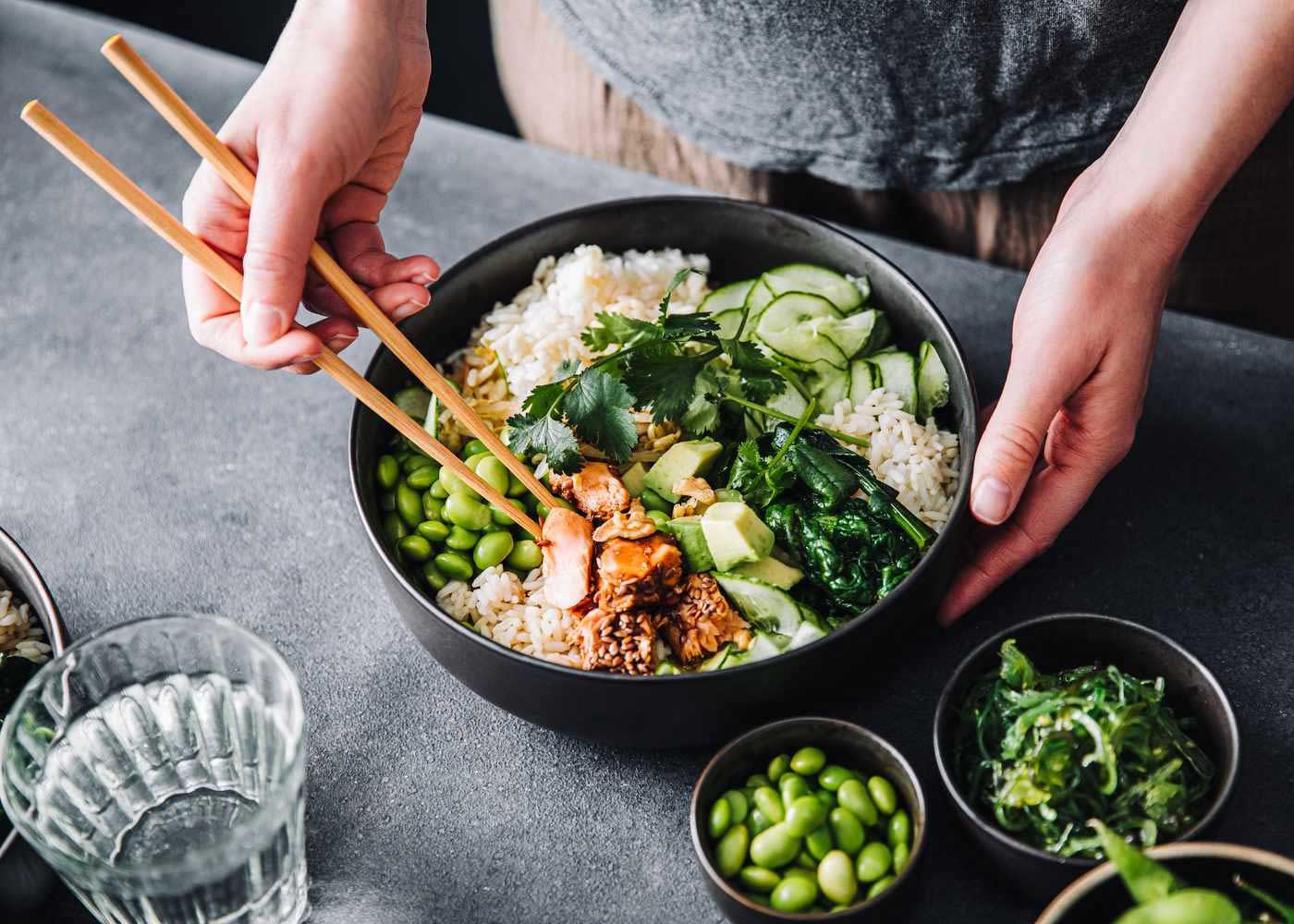
hydration. Foods such as salmon, sardines, avocados, walnuts, chia seeds, and
olive oil contain omega-3 fatty acids that may help the skin appear smoother
and less dry.
Vitamin C and Collagen Support
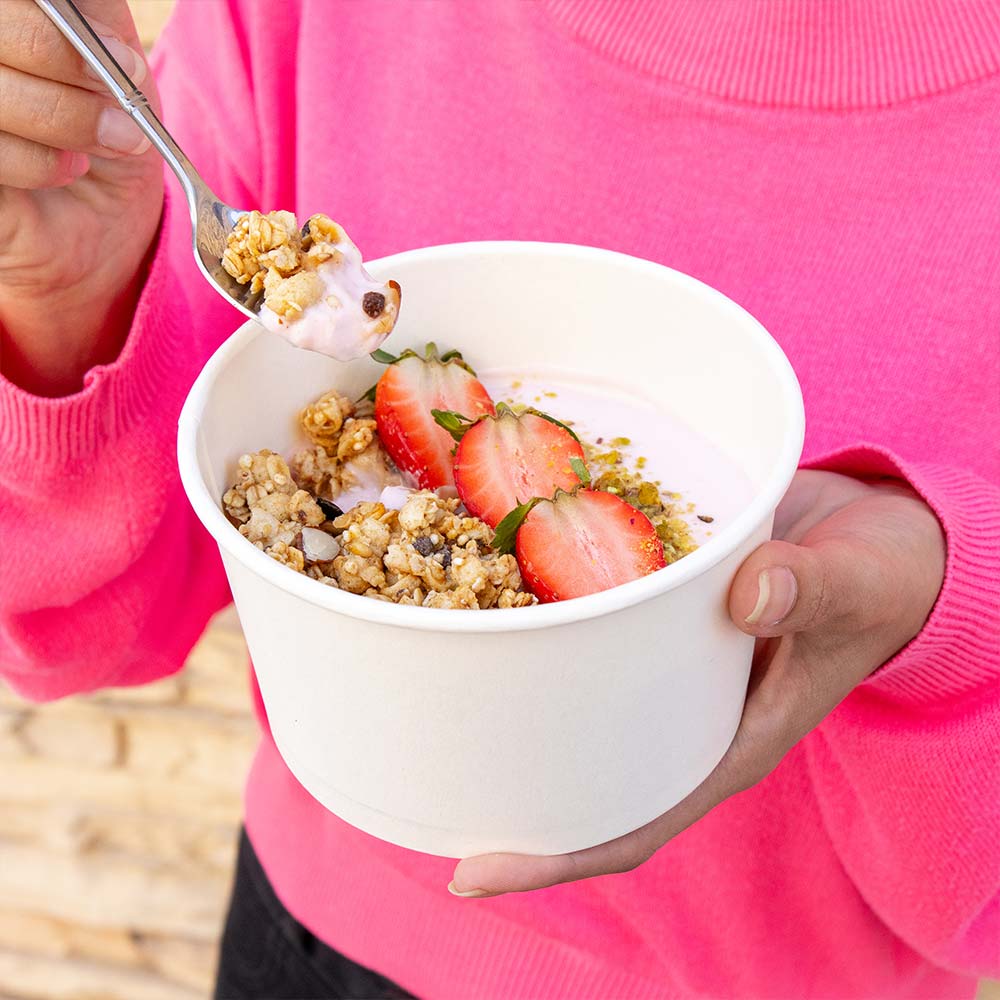
Vitamin C is commonly linked to collagen support and brighter-looking skin. Citrus
fruits, strawberries, kiwi, peppers, and tomatoes are all foods that can help
increase vitamin C intake naturally.
Hydration Through Food
Hydration-rich foods may also support the complexion,
especially during warmer months or periods of stress. Cucumbers, watermelon,
celery, and leafy greens contain high water content and can help contribute to
overall hydration levels alongside regular water intake.
Simple Ways to Prepare Skin-Friendly Meals
Preparing these foods does not need to be complicated.
Simple meals using fresh ingredients are often enough to support a balanced
approach to nutrition. Smoothies made with berries, spinach, and Greek yoghurt
can provide antioxidants and protein in one meal, while salads topped with salmon,
avocado, nuts, and olive oil offer healthy fats and vitamins that may support
skin health.
Roasting vegetables, preparing overnight oats with fruit and
seeds, or batch-cooking balanced meals ahead of busy weeks can also make
healthy eating more manageable. Many people find that consistent habits are
more effective than restrictive diets or short-term trends when it comes to
supporting healthier-looking skin over time.
Stress and Its Effect on the Skin
Once you are on track with food, it’s time to turn your
attention to stress. Wellness discussions increasingly focus on stress
management because emotional well-being can also influence skin health. Stress
may contribute to breakouts, sensitivity, redness, and dullness. Busy
lifestyles, poor sleep, and long working hours can all affect the skin barrier
and overall complexion over time.
This growing awareness has encouraged more people to view
skincare not simply as beauty maintenance but as part of broader self-care
routines. To improve your skin, you should do the following:
Exercise
Physical activity helps improve circulation, allowing oxygen
and nutrients to reach skin cells more effectively. Increased blood flow may
also help give the skin a more refreshed and natural glow after consistent
activity. Exercise can also support stress reduction, which may help minimise
stress-related skin concerns such as breakouts, dullness, or sensitivity.
Mindfulness and Stress Management
Mindfulness practices such as meditation, deep breathing, journaling, and guided
relaxation may help lower stress levels and promote better emotional balance.
When stress levels are better managed, some people notice improvements in their
skin’s overall appearance and sensitivity. Creating small moments of calm
during busy days can also make a difference. Simple habits such as limiting
screen time before bed, spending time outdoors, listening to calming music, or
setting aside time for self-care routines may help support both mental
well-being and skin health.
Sleep for Skin Recovery
Sleep is one of the most important yet overlooked parts of maintaining healthy skin.
During sleep, the body goes through natural repair and recovery processes that
support skin renewal and overall well-being. Poor sleep may contribute to
dullness, puffiness, dark circles, dehydration, and a tired-looking complexion.
Ongoing sleep disruption can also increase stress levels, which may further
affect the skin over time.
Creating a more consistent sleep routine may help support
healthier-looking skin. Many people focus on reducing caffeine late in the day,
limiting screen exposure before bedtime, and creating calming evening routines
to improve sleep quality.
Professional Skincare Treatments as Part of a Holistic Approach
Many individuals are choosing personalized treatment plans
that work alongside healthy nutrition, exercise, sleep, and consistent home
skincare. This more balanced approach recognizes that healthy skin is often
influenced by multiple lifestyle factors working together rather than a single
treatment alone. They often achieve this through professional support to
support hydration, skin renewal, and long-term maintenance.
Clinics such as Dermani MEDSPA®
often offer treatments like Hydrafacials, chemical peels, microneedling, and
hydration-focused facials that complement broader skincare and wellness
routines.
- Hydrafacials: Hydrafacials are popular because they
combine cleansing, exfoliation, extraction, and hydration into one treatment,
helping the skin appear brighter and more refreshed without significant
downtime. Microneedling treatments are often selected by individuals looking to
improve texture, encourage collagen production, and reduce the appearance of
fine lines or acne scarring over time.
- Chemical peels: Chemical peels can help improve uneven
tone, dullness, and congestion by encouraging skin renewal, while LED light
therapy is commonly used to support calming, healing, and skin recovery,
depending on the type of light used during treatment. Hydration-focused facials
may also help strengthen the skin barrier and restore moisture levels,
particularly for people dealing with dryness caused by travel, weather
conditions, or dehydration.
Professional consultations may also help identify factors
affecting the skin that people may overlook in their everyday routines. Issues
such as dehydration, environmental exposure, stress levels, poor sleep habits,
or unsuitable skincare products can contribute to concerns such as breakouts,
sensitivity, dullness, or premature ageing.
Skincare professionals may recommend adjustments not only to
treatment plans but also to home routines and lifestyle habits that better
support long-term skin health. For many people, this combination of
professional support and daily self-care creates a more sustainable approach to
maintaining healthier, brighter-looking skin over time.
The Shift toward Preventive Skincare
A growing trend within wellness-focused skincare is
prevention. Instead of waiting for skin concerns to become more severe, many
people are now taking earlier steps to maintain healthy skin as they age.
However, it’s important to know that preventative skincare often focuses less
on dramatic transformations and more on supporting long-term skin health in a
balanced and sustainable way. The goal is not perfection but maintaining skin
that feels healthy, comfortable, and cared for through consistent habits and
informed choices.
Preventive skincare looks at protecting and supporting the skin before more visible
issues, such as deep wrinkles, uneven pigmentation, dehydration, or loss of
elasticity, become harder to manage. Rather than relying on reactive treatments
later in life, people are increasingly building routines designed to maintain
skin health consistently over time.
This approach may involve using sunscreen daily, improving
diet, prioritizing hydration, reducing stress, getting enough sleep, and
scheduling occasional professional treatments to maintain skin quality and
texture. Many people now understand that everyday habits can have a long-term
effect on the appearance and condition of the skin.
Moving Away From Harsh Skincare Trends
Many individuals are becoming more mindful about the products
they use daily. Instead of constantly following trends or overusing harsh
active ingredients, there is a growing shift toward consistent, sustainable
routines tailored to individual skin needs.
Gentle cleansing, antioxidant protection, moisturising, and targeted treatments are often preferred over
overly aggressive skincare approaches that may damage the skin barrier over time.
This more balanced mindset encourages long-term skin health rather than
short-term quick fixes.
Wellness and Skincare Are Becoming Closely Connected
The relationship between wellness, nutrition, and skincare
continues to grow as more people recognize that healthy skin is influenced by
both internal and external factors. Skincare products and treatments remain
valuable, but they are increasingly seen as part of a larger picture that
includes nutrition, hydration, stress management, and overall well-being.