Eating less is rarely enough to reduce body fat. Meal
quality and composition play an important role, especially for women. A
high-protein meal plan can change how the body responds to a calorie deficit by
helping preserve lean muscle, reducing hunger, and supporting steady, long-term
fat loss.
One of the most effective ways to support your health and
body composition goals is to understand why protein matters and how to build it
into a practical weekly meal plan.
Building a High-Protein Meal Plan around Real Food
The foundation of any high-protein meal plan is whole,
minimally processed food. Lean meats, eggs, Greek yoghurt, fish, and cottage
cheese are all excellent, versatile protein sources that fit easily into
everyday meals.
A solid plan does not need to be complicated. Aiming for
three to four protein-rich meals a day, plus a strategic snack, is often enough
to help you meet your daily protein needs without overthinking every meal.
A simple, effective day might look like this:
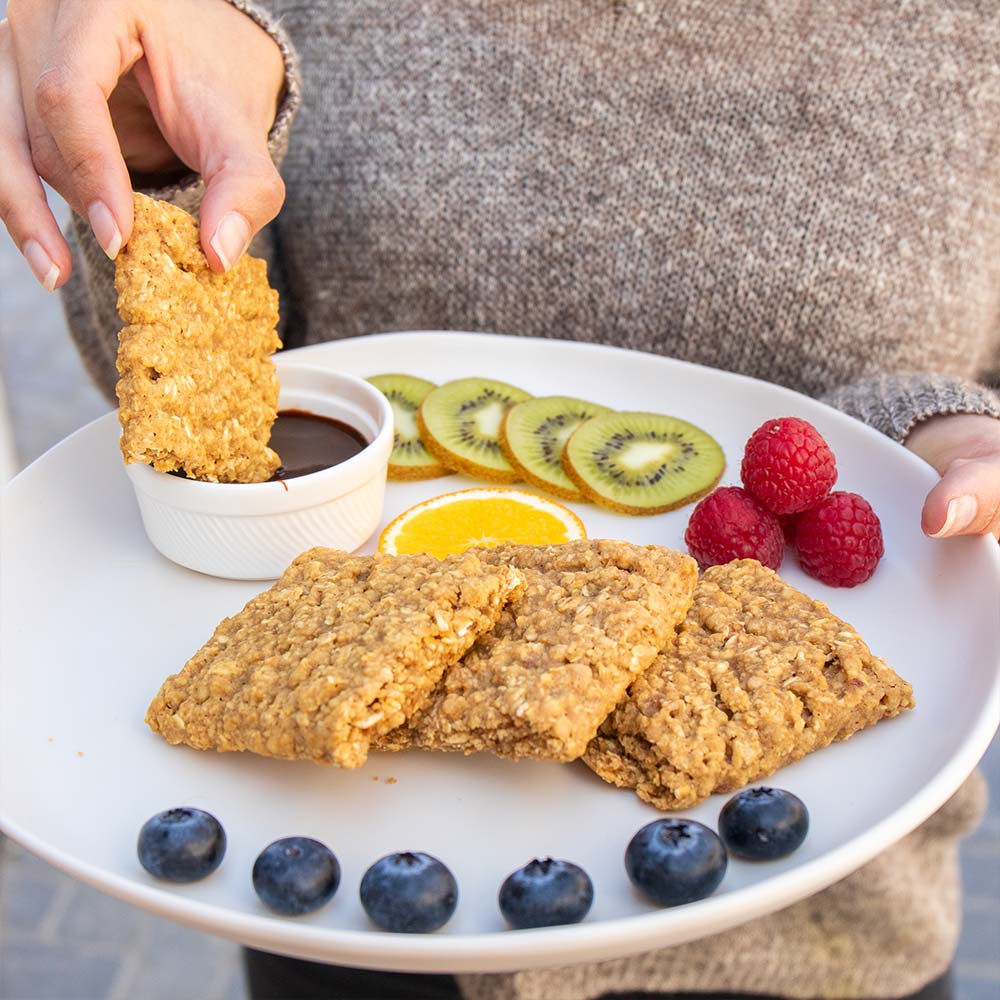
- Breakfast: Greek yoghurt with mixed berries and hemp seeds
- Lunch: Grilled chicken salad with chickpeas and tahini
dressing
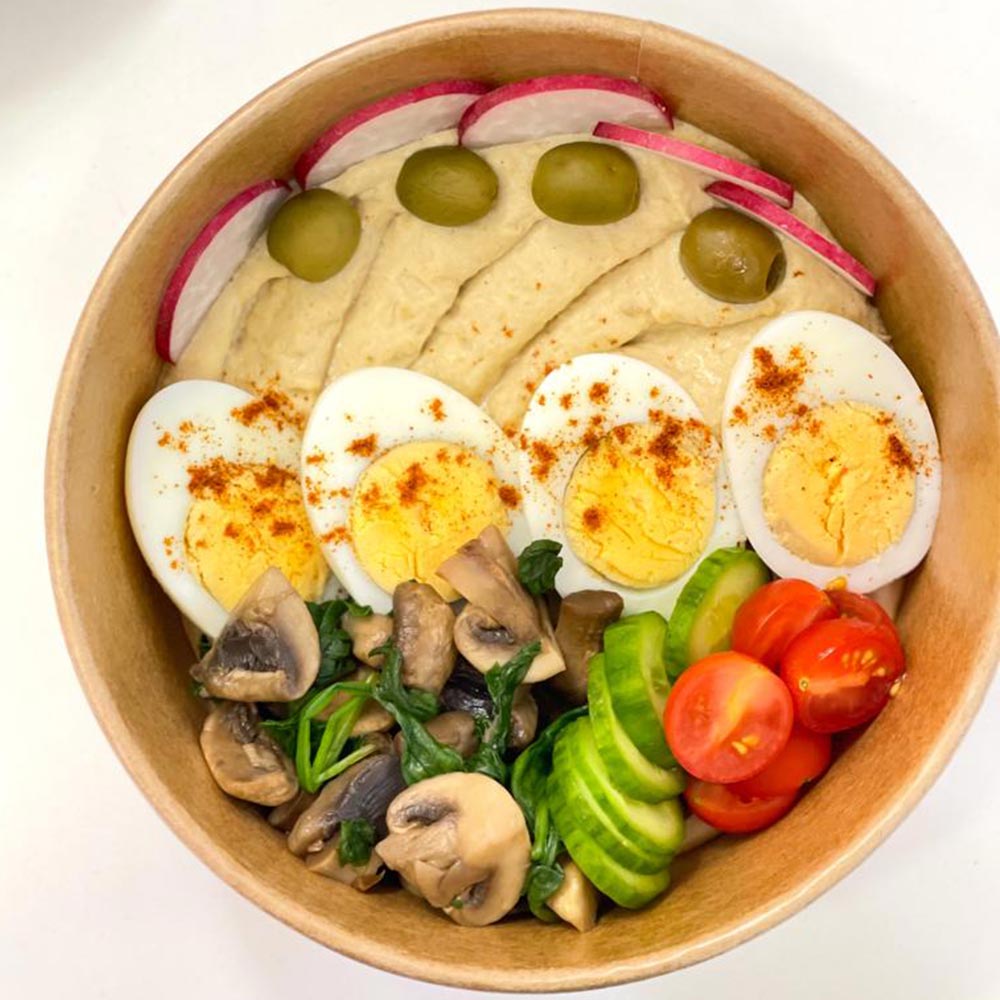
- Snack: A high-protein shake or boiled eggs
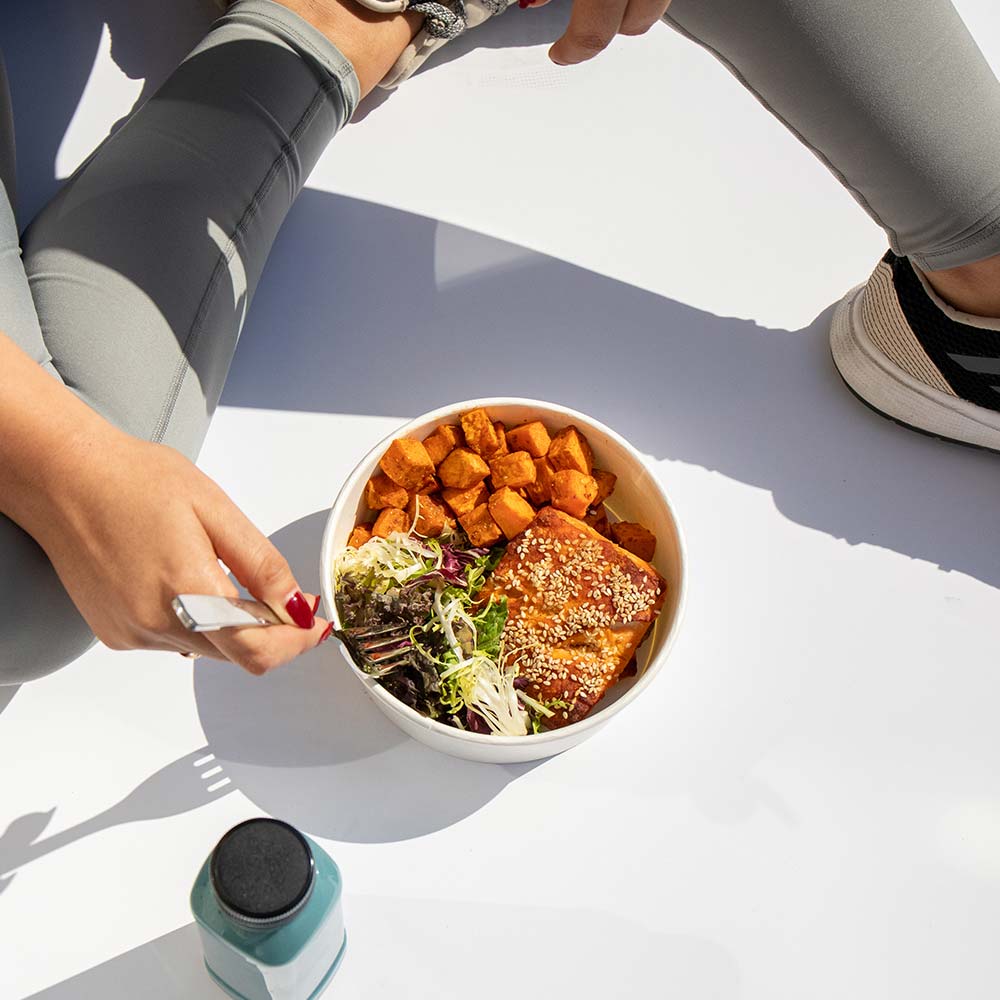
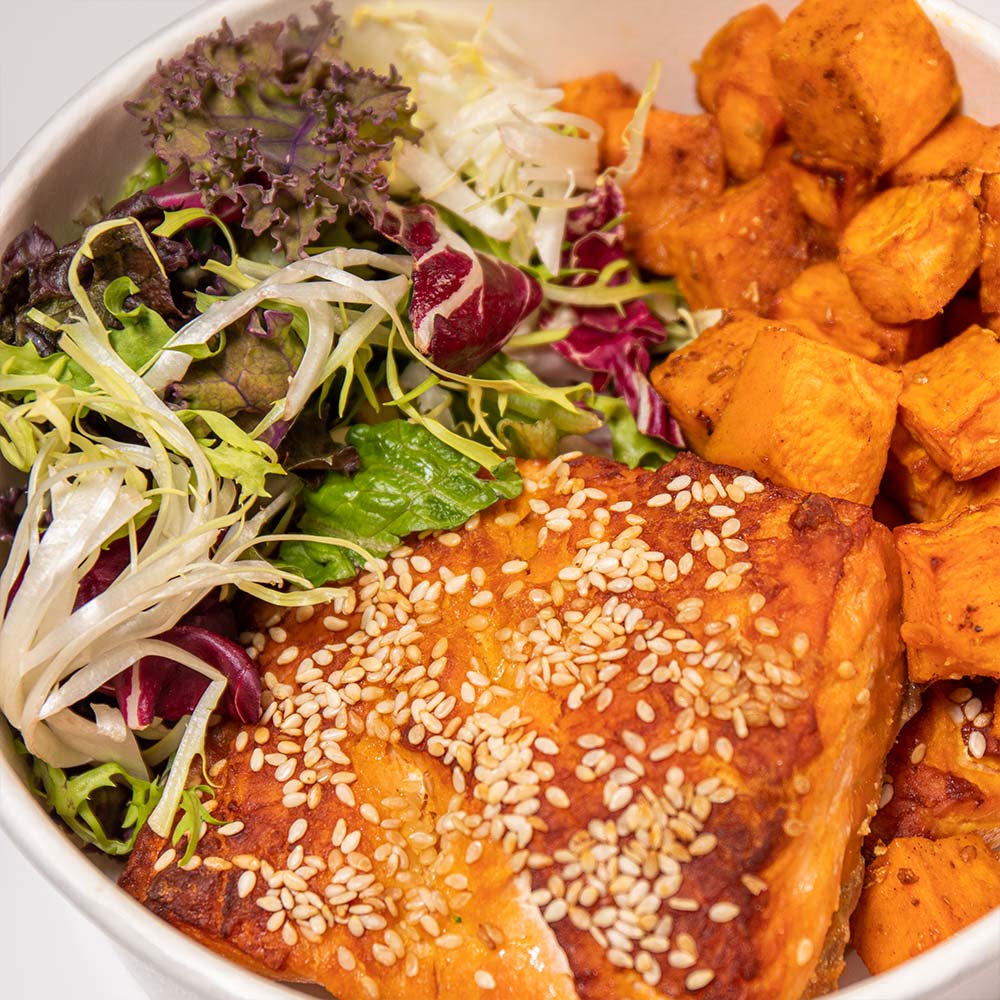
- Dinner: Baked salmon with broccoli and quinoa
This simple structure helps provide steady energy, reduce
afternoon slumps, and better manage cravings throughout the day.
For women who find it difficult to meet their protein needs
through food alone, a quality supplement designed specifically for women can be
a practical addition. Products from Maxine's Burn Australia are formulated with women's nutritional needs in mind and
can help supplement protein intake when dietary intake falls short.
Why Protein Is Essential for Female Fat Loss
Protein does far more than support muscle growth. For women
focused on fat loss, adequate protein intake helps regulate appetite, stabilise
blood sugar levels, and preserve lean muscle while eating in a calorie deficit.
When calories are reduced without enough protein, the body
is more likely to break down muscle tissue for energy. Losing muscle can lower
overall energy expenditure, making it more difficult to maintain long-term fat
loss.
Research suggests that higher-protein diets can support
improvements in body composition when combined with an appropriate calorie
intake and regular physical activity. According to Healthline's overview of high-protein diets, increased protein intake is associated with benefits for appetite,
weight management, and overall health. These benefits can be particularly
relevant for women navigating hormonal changes throughout different stages of
life.
Aiming for around 25 to 30 grams of protein per meal is a
practical, evidence-based target. This amount helps promote fullness while
supporting steady energy levels throughout the day.
The Role of Meal Prep in Staying Consistent
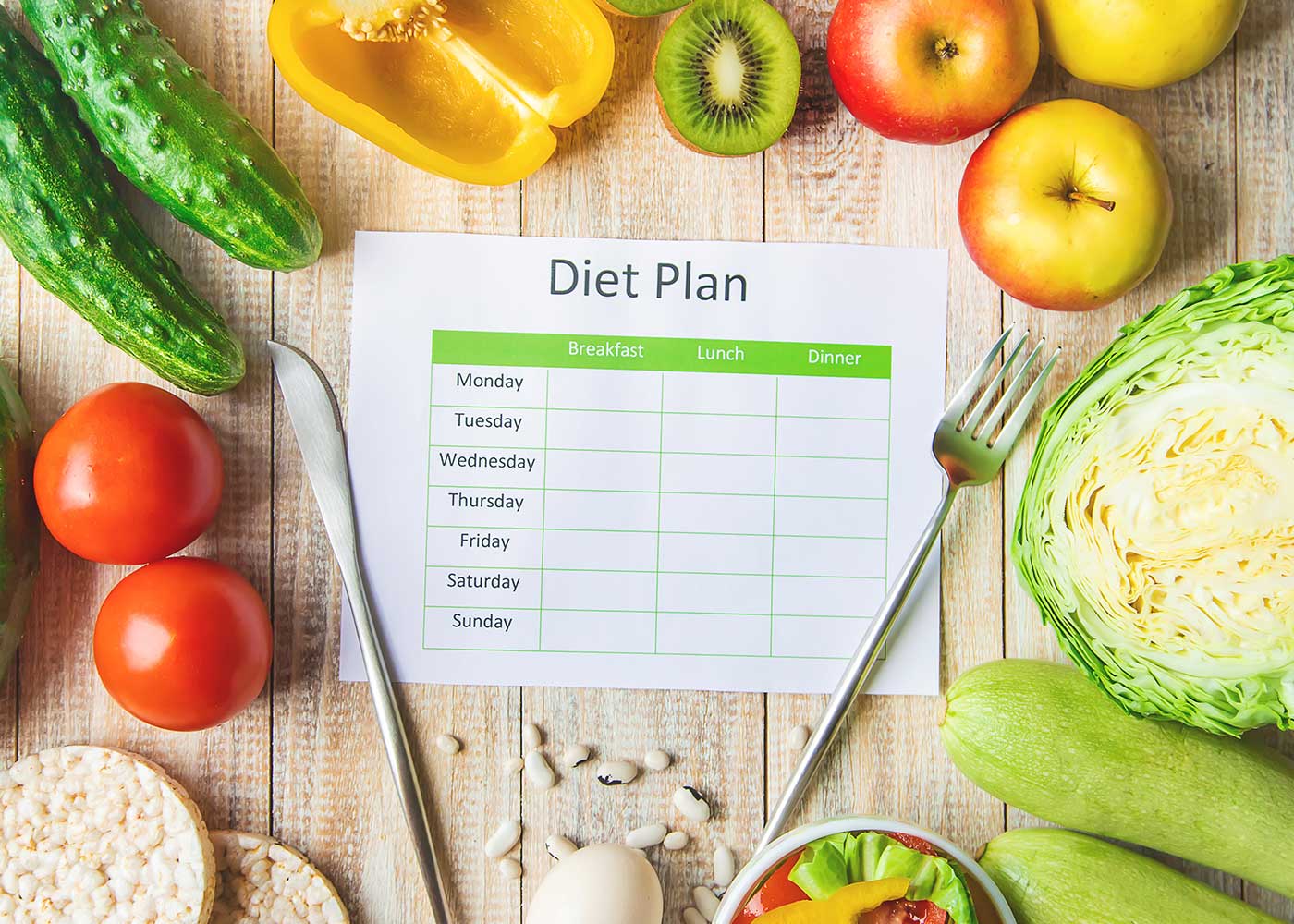
Consistency is what drives fat loss. Even the best meal plan
becomes difficult to follow if your fridge is empty by the middle of the week.
Meal preparation reduces the daily decision-making that
often leads to less nutritious food choices. Spending a couple of hours on the
weekend preparing proteins, grains, and vegetables in bulk makes it much easier
to stay on track during busy weekdays.
A few practical meal prep tips include:
- Batch-cook lean proteins such as grilled chicken breast,
turkey mince, or boiled eggs.
- Pre-portion snacks into containers so healthy options are
always easy to grab.
- Prepare high-fibre vegetables that pair well with
protein-rich meals.
- Keep a few versatile sauces or dressings on hand to add
variety without making meals overly complicated.
As the Academy of Nutrition and Dietetics notes, planning
ahead is an effective strategy for maintaining a nutritious eating pattern.
Removing unnecessary friction makes consistency much easier.
Combining High-Protein Eating With a Calorie-Conscious Approach
High-protein eating can be highly effective for fat loss,
but total calorie intake still matters. While protein helps you feel fuller for
longer and may naturally reduce overeating, maintaining an appropriate overall
energy intake remains essential.
It is also easy to underestimate how quickly nutritious,
calorie-dense foods can add up. Nuts, oils, and avocados provide valuable
nutrients, but sensible portion sizes can help keep your energy intake aligned
with your goals.
A practical approach is to build each meal around your
protein source first. Then add plenty of non-starchy vegetables, a moderate
serving of wholegrain or other complex carbohydrates, and a small portion of
healthy fats. This creates balanced, satisfying meals without relying on
obsessive calorie tracking.
Australia's Eat for Health guidelines also recommend prioritising lean proteins,
vegetables, and whole grains. These recommendations show that a balanced,
high-protein eating pattern can fit comfortably within long-term healthy eating
guidelines.
Common Mistakes Women Make With High-Protein Diets
Even when your protein intake looks great on paper, a few
common mistakes can quietly slow your progress.
The first is relying too heavily on processed convenience
products. Protein bars and flavoured shakes can be useful, but some varieties
contain added sugars or ingredients that may not suit everyone's nutrition
goals. Reading the nutrition label can help you make a more informed choice.
Another common mistake is cutting calories too aggressively.
Pairing a high-protein diet with extreme calorie restriction can contribute to
fatigue, muscle loss, and hormonal changes over time. For many women, a
moderate calorie deficit of around 300 to 500 calories per day is generally
more sustainable.
It is also important not to eliminate carbohydrates
altogether. Low-GI foods such as oats, sweet potatoes, and brown rice provide
steady energy for training and everyday activities while supporting a balanced
eating pattern.
Finally, do not overlook hydration. Drinking enough water
supports digestion and overall wellbeing, particularly if you have increased
your protein intake or maintain an active lifestyle.
Making It a Long-Term Lifestyle
The most effective fat loss approach is one that fits
comfortably into everyday life. A high-protein meal plan does not need to be
rigid or restrictive. It simply needs to prioritise the right nutrients
consistently over time.
Small, repeatable habits, such as preparing meals on the
weekend, choosing protein-rich options when eating out, and keeping nutritious
snacks on hand, can make a meaningful difference over weeks and months.
For women ready to take a more structured approach to fat
loss, combining high-protein meal planning with the right nutritional support
can help make consistency easier. The goal is not perfection. It is steady
progress built one meal at a time.
Build Your Foundation
Fat loss should not mean starving yourself. Prioritising
protein can help preserve lean muscle, improve satiety, and support sustainable
progress while eating in a calorie deficit. Focus on simple, repeatable habits,
build your meals around whole foods, prepare ahead where you can, and take
control of your health journey one meal at a time.