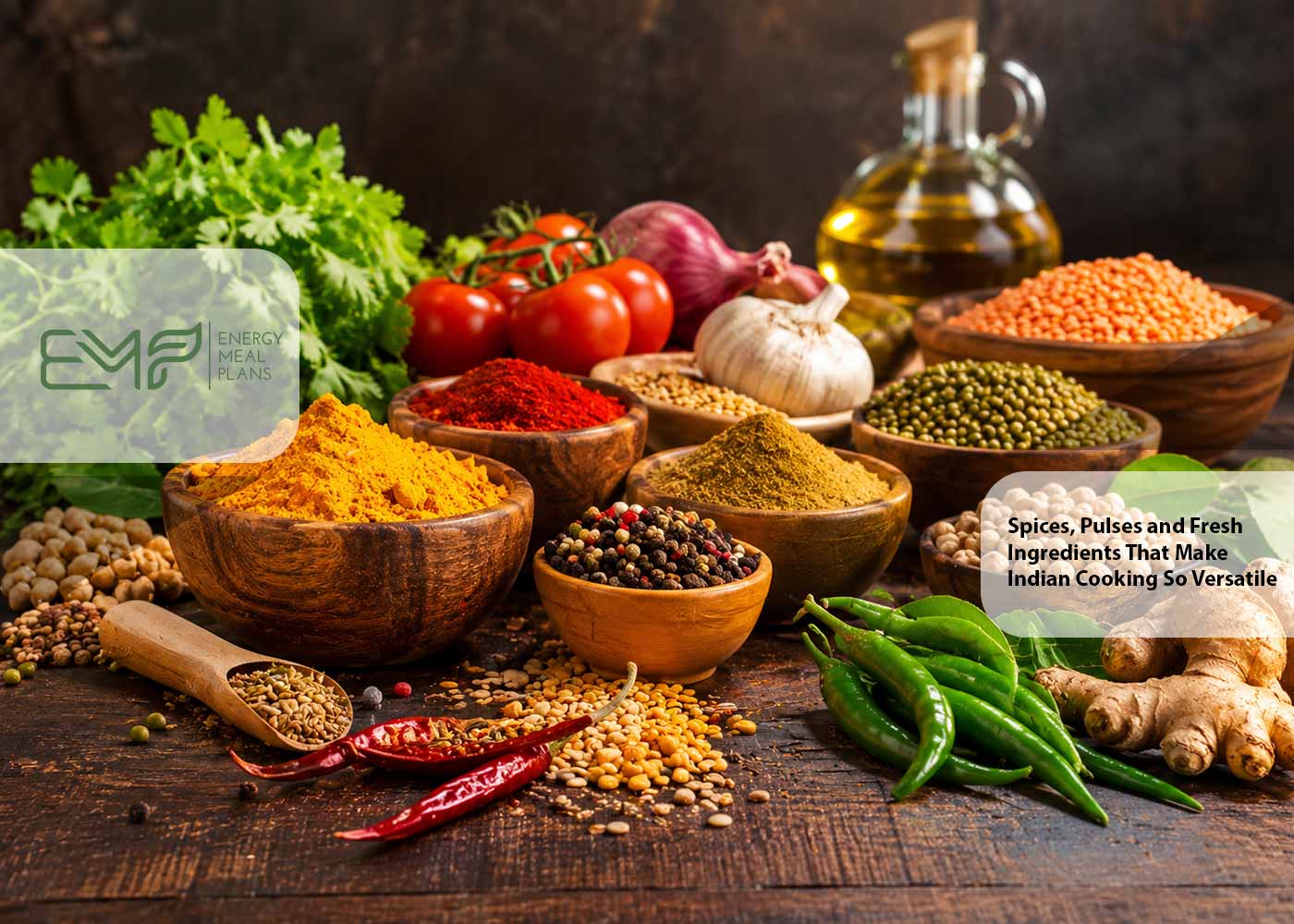
One of the wonderful things about Indian cooking is how much
you can achieve with a relatively modest collection of ingredients. A bag of
lentils, a few tomatoes, an onion, and some carefully chosen spices can produce
a wonderfully satisfying dinner. Change the seasoning, introduce a different
vegetable or experiment with another cooking method, and those same ingredients
become something entirely different. Across India, regional traditions have
shaped countless ways of preparing food, offering plenty of inspiration for
anyone looking to introduce greater variety into their diet. From comforting
vegetarian dishes to protein-rich meals featuring chicken and seafood, Indian
cuisine demonstrates that eating well doesn't have to mean sacrificing flavor.
Understanding the Foundations of Indian Cooking
Many Indian dishes begin with a combination of onions,
ginger, garlic, and spices. These ingredients create an aromatic base that can
be adapted to suit everything from hearty vegetable curries to delicate fish
dishes. Tomatoes might be added to introduce acidity, while yogurt or coconut
milk can create a softer, creamier texture. The possibilities are far more
extensive than the handful of familiar curries many people regularly order.
Eating out can be a great way to discover combinations you
might not have considered at home. If you're visiting southwest England and
searching for a top-rated Indian restaurant Bristol diners recommend, take some time to explore the
less familiar dishes on the menu. Trying different lentil preparations,
vegetable specialties and traditional grilled dishes could give you several
ideas for your own weekly meals. Sometimes, experiencing an ingredient prepared
in an unfamiliar way is enough to completely change your opinion of it.
Spices Bring Much More Than Heat
There's a common misconception that Indian food is defined
by how spicy it is. In reality, the skill involved in seasoning Indian dishes
often lies in balancing warmth, sweetness, earthiness, and fragrance. Cumin
brings a distinctive earthy quality to lentil dishes, while coriander seeds
offer a milder, slightly citrusy flavor. Cardamom adds fragrance, cinnamon
introduces warmth, and turmeric contributes its recognizable golden color
alongside a subtle bitterness. None of these ingredients necessarily makes a
dish overwhelmingly hot.
The way spices are prepared also influences the finished meal. Whole cumin seeds fried briefly in oil develop a
different character from ground cumin stirred into a sauce. Dry-roasting spices
before grinding them can bring out their aromas, while adding garam masala
towards the end of cooking helps preserve its fragrance. Learning these little
techniques can make everyday ingredients considerably more interesting. Even
something as simple as roasted cauliflower can take on an entirely new
character with cumin, turmeric, black pepper and a squeeze of fresh lemon
juice.
Although spices contain various naturally occurring plant
compounds, they shouldn't be treated as substitutes for medical care or a
balanced diet. Their most practical advantage in everyday cooking is that they
help make nutritious ingredients genuinely enjoyable. A well-seasoned vegetable
dish may need little additional salt or a heavy sauce to deliver plenty of
flavor.
Making More of Lentils, Chickpeas and Other Pulses
Pulses have long been central to Indian cooking, and it's
easy to understand their appeal. They're relatively inexpensive, store well,
and provide plant-based protein alongside dietary fiber. Red lentils soften
quickly during cooking, making them ideal for creamy dals and soups. Chickpeas
retain more texture, while kidney beans work beautifully in rich, gently
simmered tomato-based sauces. Keeping a few varieties in your kitchen cupboard
gives you the foundations for several completely different meals.
Dal is an excellent example of just how versatile pulses can be. One evening, you might prepare a simple red lentil
dal with turmeric, garlic and cumin. On another occasion, you could use split
mung beans with fresh ginger, green chilies and spinach. Despite sharing
similar foundations, these dishes offer noticeably different textures and
flavors. Served with whole wheat roti, rice or a selection of vegetables, they
can form part of a satisfying, balanced meal.
Pulses are also useful for households looking to reduce
their reliance on meat without making dramatic changes to their eating habits.
Adding chickpeas to a vegetable curry or preparing a kidney bean masala gives
meals substance without requiring expensive ingredients. Their combination of
protein and fiber can help support fullness, which is useful when planning
meals around a busy working day.
Fresh Vegetables Give Everyday Meals Their Character
Indian vegetable dishes are rarely limited to something
boiled and served alongside the main course. Vegetables often take center
stage, cooked with enough care and seasoning to become the most interesting
part of the meal. Cauliflower, eggplant, okra, cabbage, peas and spinach all
lend themselves to different preparations, from slow-cooked curries to relatively
dry stir-fried dishes.
Spinach, for instance, can be blended into a vibrant sauce for paneer or stirred into lentils towards the end of cooking. Eggplant
develops a wonderfully soft texture when roasted, making it suitable for dishes
such as baingan bharta. Cabbage can be shredded and cooked briefly with mustard
seeds and turmeric, transforming an inexpensive vegetable into something worth
looking forward to at lunchtime.
Cooking according to what's in season is another way to
introduce greater variety without complicating your shopping routine. During
colder months, root vegetables and hearty greens provide plenty of options.
Warmer weather might call for lighter preparations featuring cucumber,
tomatoes, and fresh herbs. You don't necessarily need to follow a recipe
precisely when preparing an everyday meal. Understanding how different
vegetables behave during cooking gives you the freedom to work with whatever
happens to be available.
Regional Traditions Offer Endless Inspiration
Indian cuisine encompasses numerous regional cooking
traditions, each influenced by local agriculture, climate, cultural practices,
and access to ingredients. Northern Indian cooking frequently features
wheat-based breads, dairy products, and substantial lentil dishes. In southern
regions, rice, coconut, curry leaves and tamarind play important roles in many
traditional recipes, although there is considerable variation between
communities.
Coastal cooking offers inspiration for preparing fish and
seafood with aromatic spices, while Gujarati cuisine
includes a remarkable selection of vegetarian dishes that balance sweet, sour,
and savory elements. Bengali cooking provides interesting examples of how
mustard can transform the flavor of fish and vegetables without requiring an
extensive collection of ingredients.
Exploring these regional differences can help prevent
healthy eating from becoming repetitive. If your usual weekly menu consists of
the same chicken curry and rice, experimenting with a coconut-based fish curry
or a gently seasoned vegetable and lentil stew could make dinner considerably
more appealing. You might gradually discover that you enjoy certain regional
cooking styles more than others, giving you somewhere interesting to turn
whenever you're struggling for meal ideas.
Choosing Cooking Methods That Suit Your Nutritional Goals
The nutritional profile of an Indian meal depends heavily on
its preparation. A grilled chicken dish served with vegetables will differ
substantially from a curry containing generous amounts of butter and cream.
Both can have a place in an enjoyable diet, but understanding these differences
makes it easier to choose meals that suit your individual needs.
Tandoori-style cooking is particularly interesting because
it relies on high heat and flavorful marinades. Chicken or fish can be
marinated in yogurt, lemon juice, ginger, and spices before being grilled or roasted.
This technique provides plenty of flavor without necessarily requiring large
amounts of added fat. Steaming is another traditional approach worth exploring.
Idli, for example, is a steamed cake commonly prepared from fermented rice and black gram batter.
Small adjustments can also make familiar recipes better
suited to everyday eating. Measuring cooking oil rather than pouring it freely,
using plain yogurt in suitable sauces, and adding extra vegetables are
relatively straightforward changes. However, there's little reason to remove
every rich ingredient from your diet. A celebratory meal and an ordinary
Tuesday lunch don't need to follow exactly the same nutritional approach.
Adapting Indian Cooking to a Busy Weekly Schedule
Preparing nutritious meals from scratch every evening isn't
realistic for everyone. Fortunately, many Indian ingredients and preparations
lend themselves well to meal planning. Cooking a large portion of dal at the
weekend, for instance, can provide several convenient lunches throughout the
following week when portions are properly refrigerated or frozen.
Preparing an aromatic onion and tomato base in advance can
also save considerable time. One portion might become a chickpea curry, while another could be used to prepare chicken or mixed vegetables.
Keeping cooked pulses, frozen vegetables and a selection of dried spices
available makes it easier to assemble something satisfying when you arrive home
late.
Think about how individual dishes can work together, too. A
lentil curry served with rice one evening might accompany a whole wheat
flatbread and cucumber salad the following day. Leftover roasted vegetables
could be added to a freshly prepared chickpea dish. These little variations
help prevent meal preparation from feeling like an endless cycle of eating
identical lunches from plastic containers. They can also reduce unnecessary
food waste and make grocery shopping more economical.
Finding a Balance between Nutrition and Enjoyment
Perhaps the most appealing aspect of Indian cooking is that
it leaves so much room for personal preference. Someone following a vegetarian
diet can explore an extensive collection of pulse-based dishes, while those who
enjoy meat and seafood have equally interesting options. Ingredients can be
adjusted according to availability, appetite and individual nutritional requirements
without losing the character of a meal.
Eating well becomes considerably easier when you genuinely
look forward to what's on your plate. A fragrant bowl of lentils, freshly
prepared vegetables and warm flatbread can offer comfort, variety and nourishment
in equal measure. There's no need to fill your kitchen with dozens of
unfamiliar ingredients or master complicated recipes overnight. Start with a
few spices, experiment with different pulses, and discover which fresh
ingredients you enjoy cooking with most. Before long, those ordinary cupboard
staples might become the starting point for some of your favorite meals.